Confirm order quantity|Processing & Manufacturing|Confirm sample terms

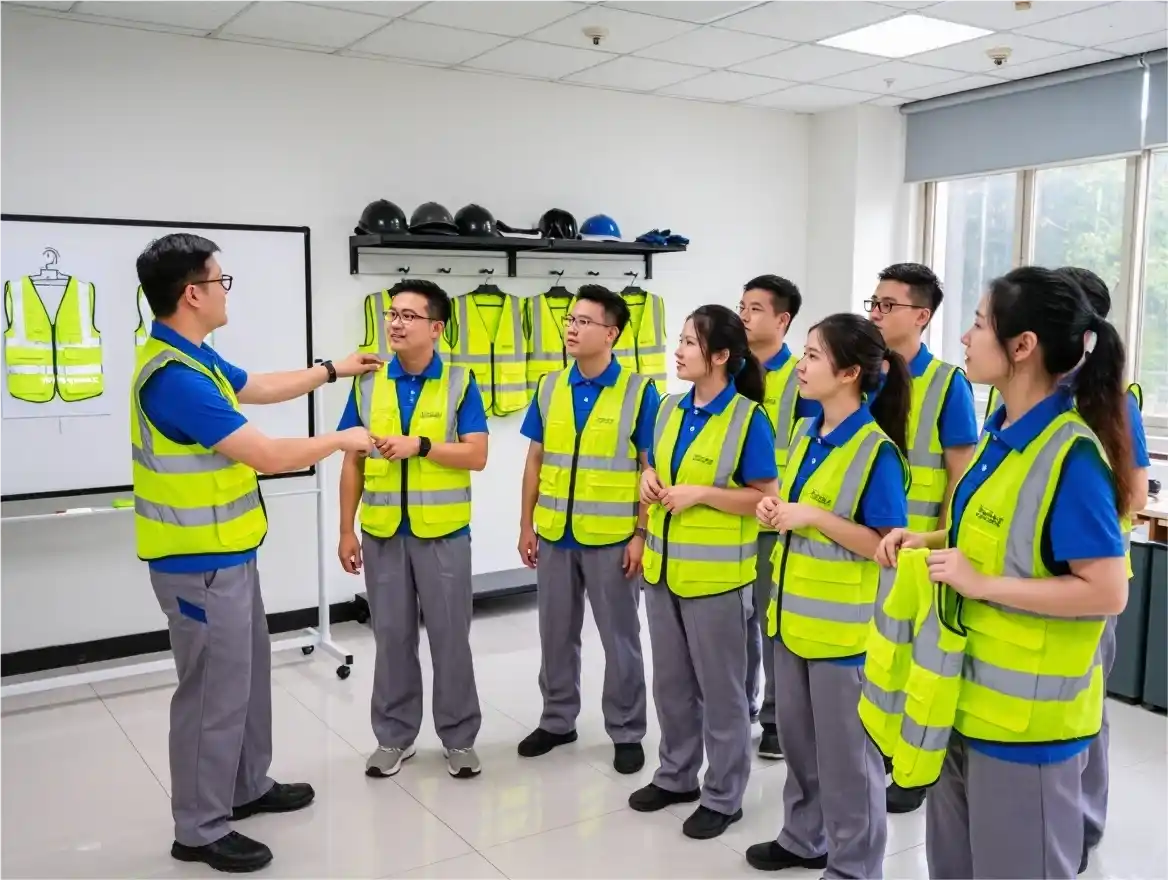
The importance of safety vests is significant in the protection of the workers in different industries. The strict requirements of safety vests have to be observed by the companies to minimize accidents and provide visibility of workers on the work sites. By following these guidelines, one will be able to adhere to the OSHA requirements and contribute to a safer workplace.
OSHA establishes the legal regulations regarding the safety of workers, including the regulations regarding the use of personal protective equipment (PPE). The instructions of OSHA provide the relevant PPE against hazards at the workplace since the employers are supposed to offer the necessary PPE, like safety vests.
Safety vests can be considered as high-visibility clothes that are intended to make workers more visible, particularly during low-light or dangerous circumstances. The vests minimize accidents in the job site because visibility is enhanced and the workers are safeguarded against moving cars, heavy machines, and other hazards.
Safe working wear, such as high-visibility vests, makes the drivers and other operators aware of the existence of the worker. These vests are essential in eliminating collisions and injuries by improving the sightlines through bright colors and reflective tape.
OSHA’s personal protection equipment standard mandates employers to distribute appropriate PPE in line with the hazards at the workplace. Safety vests are enforced when visibility is of importance in ensuring safety to the employees.
These OSHA regulations emphasize the need to exercise caution in construction and general industry. They lay down the requirement of using high-visibility attire to guard against any risk, such as traffic and equipment.
Out of the requirements by OSHA, ANSI/ISEA 107, which includes technical requirements on high-visibility safety apparel, is published by the American National Standards Institute (ANSI) and the International Safety Equipment Association (ISEA).
The 2020 update came with better reflective material specifications, increased functionality of the garments, and stricter rules of classification that allow employers to select the type of vest to use.
Class 1 vests are worn in places where there is little traffic or movement of people, like in the parking lot of a company, by a parking lot attendant.
Class 2 vests have increased visibility features and are used in settings that have increased traffic or movement of employees around vehicles.
The Class 3 safety vests are the most visible and the most covered vests and are needed in high-speed or heavy-traffic work, such as work on the highway.
Employers ought to evaluate hazardous and visibility requirements of a job site in order to choose the appropriate vest category, which suits the exposure of workers and environmental risks.
The color selection is based on the workplace conditions; yellow-green is the most visible in the vast majority of the daytime, and orange is widely used to work on the road and highway.
An ANSI 107 performance test has to be reflected by tape, which must be strategically positioned in order to be visible in the 360-degree view and work effectively under low or dark conditions.
The present-day safety vests are made out of light and breathable materials to ensure that the workers feel comfortable and at the same time remain durable.
Such aspects of design as pockets and adjustable closures can help to make the vest more useful and fit better, promoting regular usage.
The environment and work of different industries like construction, roadwork, warehouses, and emergency response demand specialization of the vests.
OSHA requires the employers to provide appropriate safety vests that match the working environment and hazards.
The staff should be trained on how to use and the significance of the high-visibility apparel.
Extensive training enhances the safety culture, and safety vests are always worn by workers in the correct way.
Promote use of vests using hands-on training, frequent reminders, and visible signage.
The managers are supposed to observe and instill job site compliance at all times.
Vests that lose reflectiveness, color, or structural integrity should be changed immediately in order to ensure safety.
Wash according to the instructions of the manufacturer with the help of lightweight detergents without using bleach to retain the visibility of the vest.
In order to conduct OSHA inspections, employers must retain a record of the distribution, training, and maintenance of PPE.
Correct documentation shows that OSHA safety vest requirements have been met, and one will face fewer fines.
Lack of adherence may attract huge fines and lawsuits.
Failure to comply can lead to the loss of reputation of the company and cause work-related accidents that can prove to be expensive.
Choose suppliers of safety vests that are certified by ANSI and meet OSHA regulations.
Vest tags: Check ANSI/ISEA 107 labels and compliance information.
Reflective areas and compliance standards should not be undermined by logos and branding.
Apply non-reflective branding methods that are out of critical viewpoints.
Firms are able to appear clean without jeopardizing the well-being of laborers.
Embedded wearables also provide an opportunity to track the location of workers and their safety in real time.
Continued developments have brought smarter, more comfortable, and more adaptive safety equipment to the various workplaces.
Powerful leadership and apparent dedication establish the atmosphere of safety priorities.
Rewards and performance schemes help to promote observance of safety vest policies.
Effective implementation of safety vest requirements is portrayed in successful PPE programs.
To exchange best practices serves to assist other companies in the improvement of safety standards.
The leaders of the industry emphasize the positive outcomes of intense PPE wearing and consistent safety training.
Workers and their safety vests are also essential for safety and to satisfy regulatory demands. The quality and compliance of safety vests are not only beneficial in preventing accidents, but they also help in improving the image of your company. Reading between the lines is a long-term safety commitment that should be given precedence.
Browse safety jackets, compare certification requirements, or send your quantity and logo requirements for a bulk quote.
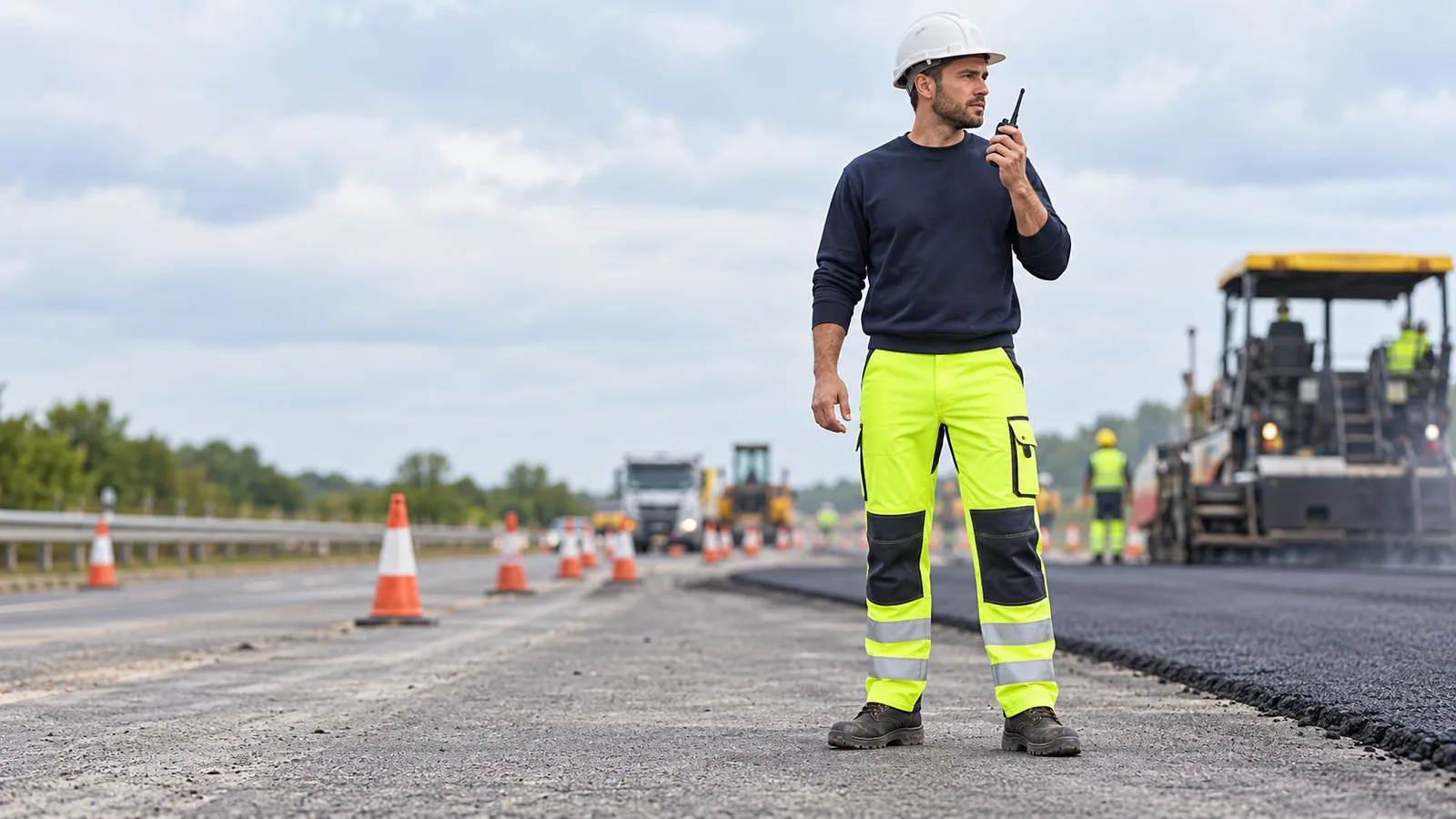
Choose hi vis work trousers for road, rail and warehouse crews: fabric, stripe placement, sizing, waterproof and bib-and-brace options for bulk...
Read More: Hi Vis Work Trousers: The Complete B2B Buying Guide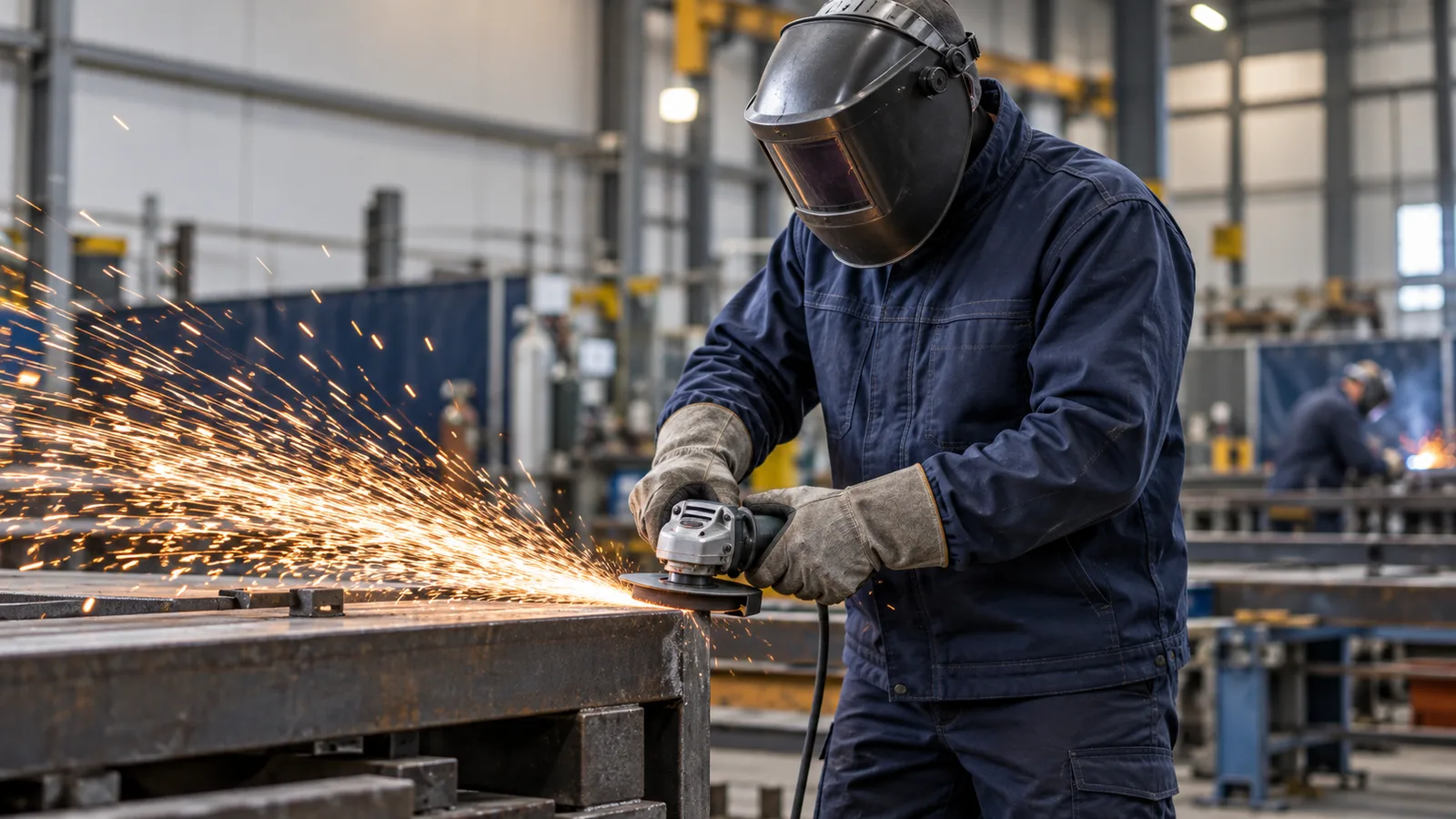
Source FR jackets, vests and coveralls for welders, electricians and utility crews. Specs, certifications and supplier checks for bulk OEM orders.
Read More: Flame Resistant Safety Jackets: Buying & Compliance Guide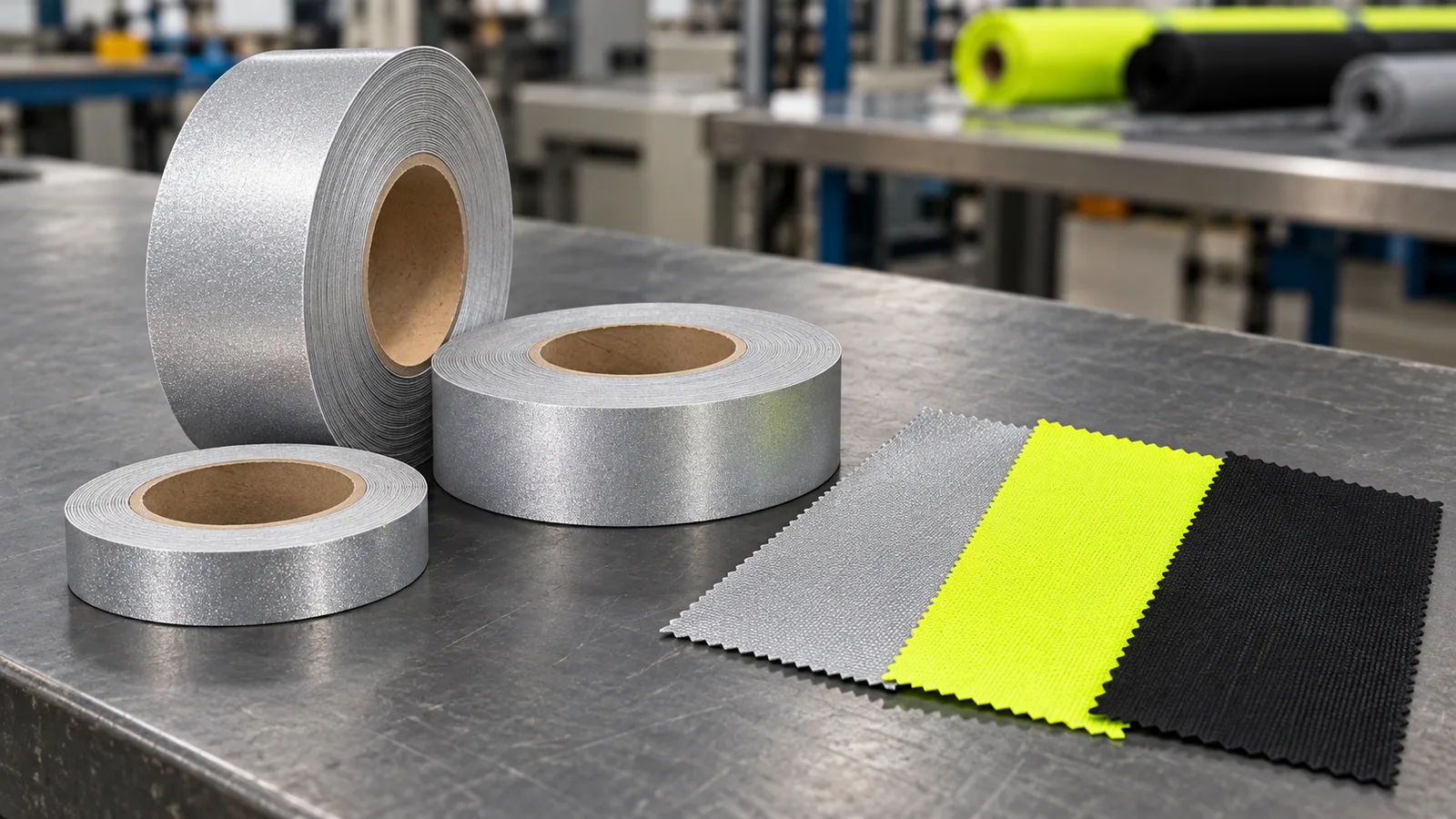
Buying reflective tape and hi vis fabric for garments or OEM production: specs, widths, durability testing and a supplier evaluation checklist.
Read More: Reflective Tape & Fabric Procurement Guide for Workwear