
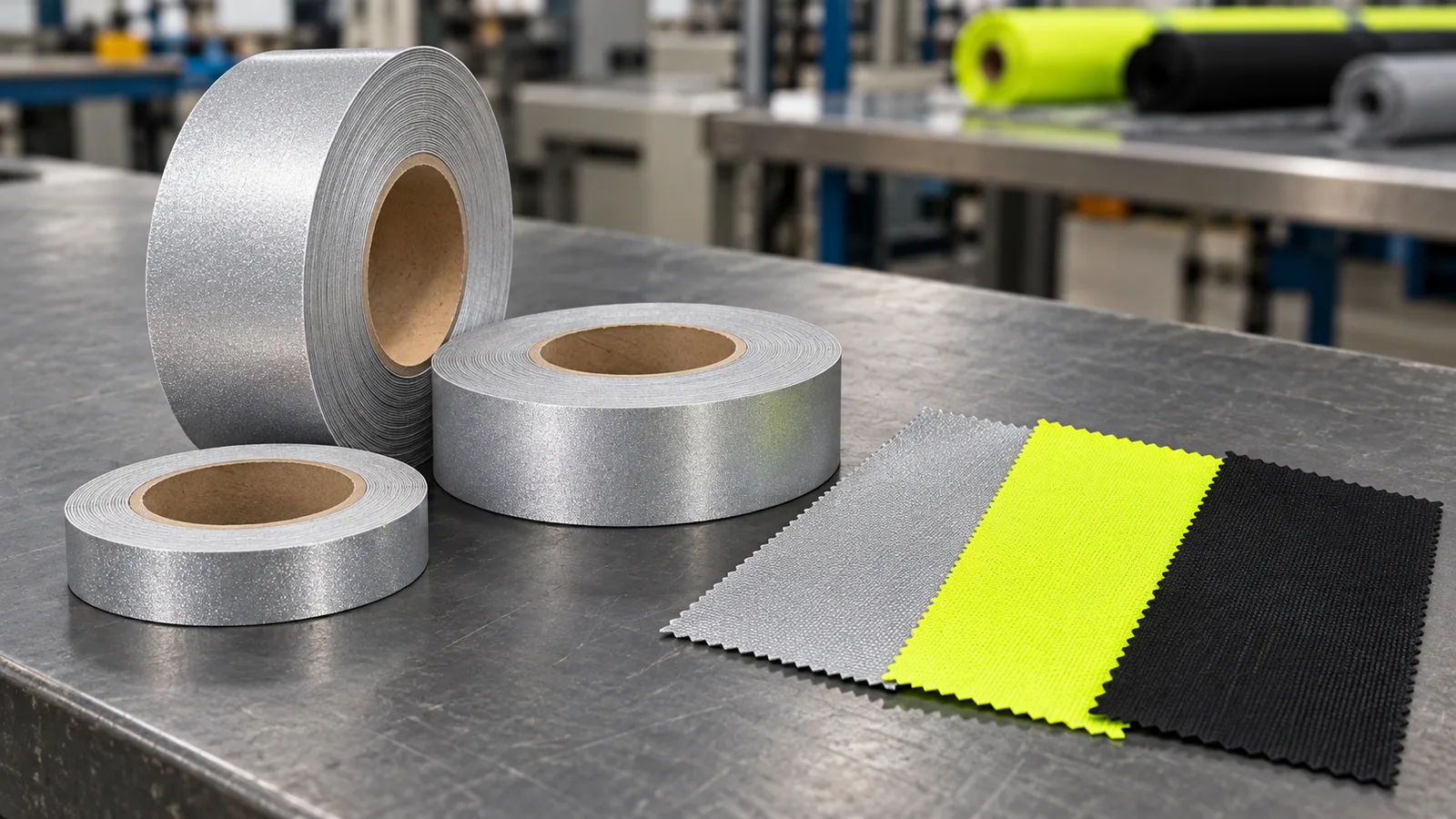
Buying reflective tape and hi vis material is a specification decision before it is a sourcing one: the wrong width or an unverifiable performance claim surfaces on the production line, not in the sample photo. This guide is for two kinds of buyers — brands and workwear procurement teams specifying materials for their garment programs, and factories or OEM buyers purchasing rolls for production, including buyer-supplied material arrangements.
Reflective tape for workwear is a roll-form retroreflective trim, sewn or heat-pressed onto garments, that returns light from vehicle headlights and site lighting back toward its source. Buying it well means specifying form, application method, width, color and verifiable test data for every batch.
For a benchmark to compare quotations against, request our current specification and price list via our contact page (subject line: Reflective Tape and Fabric RFQ).
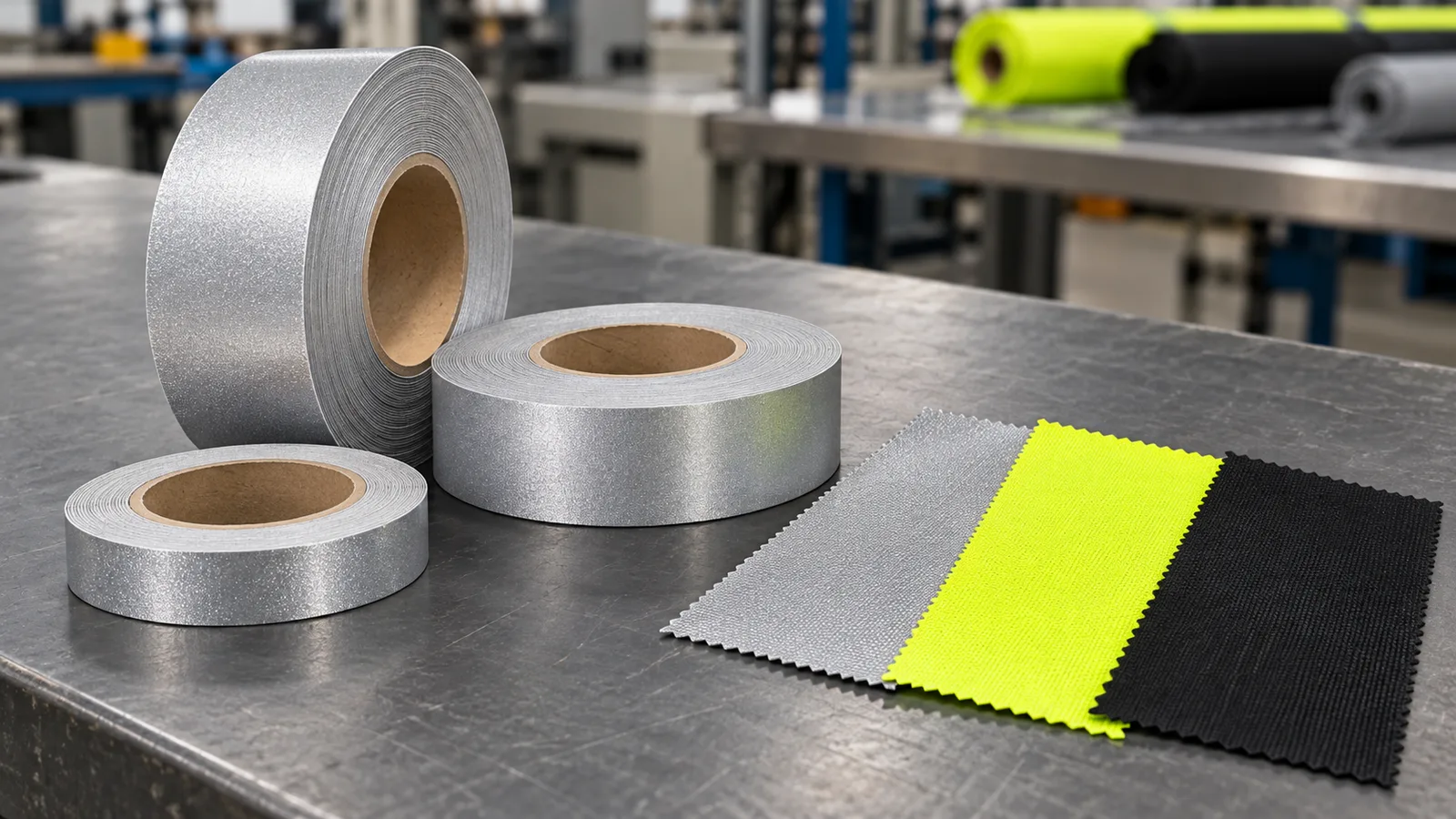
Suppliers group reflective materials into three commercial forms: reflective tape (narrow roll trim for stripes, piping and bands), reflective fabric (wider roll goods cut into visibility panels) and trim (finished edge and piping constructions combining a reflective element with a base textile — pre-made options sit in our accessories category). Each form takes different acceptance checks, so start every RFQ by naming the form and the application method.
Both application formats can deliver the same reflective performance; the right one follows your production line. Sew-on tape runs on standard stitching equipment, suits heavyweight shells and abrasion-exposed zones, and can be inspected stitch by stitch — but adds a visible stitch line. Heat-transfer tape is pressed on with heat and pressure for a seamless look on lightweight or stretch fabrics — but application quality depends on controlled press temperature, pressure and dwell time, verified at sampling rather than assumed. If your line is sewing-based and garments take heavy wear, sew-on is the safer default; if you run heat-press stations and want smooth panels, heat transfer is the practical choice.
With reflective fabric, color drives application and scrutiny. Silver is the general-purpose default for workwear trim and panels and the easiest to source consistently. Yellow reflective fabric pairs with fluorescent yellow hi vis programs, blending with the base color by day. Black reflective fabric reads as an ordinary dark panel in daylight and performs at night — the usual choice for brand-led and fashion-oriented workwear where overt safety styling is unwanted. Whatever the color, approve conformance samples from the batch family you will receive, because color and brightness vary between production lots.
For a wider view of the textiles behind these garments, see what material is used in reflective clothing.
When quotations arrive, compare them on the same fields. These specs separate a documented high visibility fabric or tape from an attractive sample — and each should appear in writing on every quote.
Retroreflective performance — how strongly the hi vis material returns light — is measured as a coefficient under defined test conditions, and it is the most important line on the spec sheet. Treat any quotation that omits the tested performance level and the test method as incomplete. Require the coefficient values and the underlying reports with every batch, make clear the reports must come from a laboratory your quality team can verify, and reserve the right to re-test delivered rolls against the declared values.
Reflective tape is sold in commercial widths: 25 mm and 50 mm are common workwear formats, with 5 cm a standard trim width for jacket striping. State width, roll length and winding format explicitly — suppliers otherwise quote their default. Where a garment must comply with a specific high-visibility standard, translate that standard’s width and placement requirements into your own spec sheet; the mapping between compliance classes and material dimensions belongs in your specification, not a sales conversation. Our 5cm wide reflective strips serve these trim programs; request current test documentation through the same RFQ channel.
Reflective performance declines with washing and abrasion. The procurement question is how quickly, measured how — so require the supplier’s washing-cycle decay data and abrasion results for the exact product family, and set incoming acceptance around re-testing after a defined number of cycles taken from that report rather than marketing copy. How wearers extend service life day to day is covered in our use and maintenance guide for reflective safety clothing.
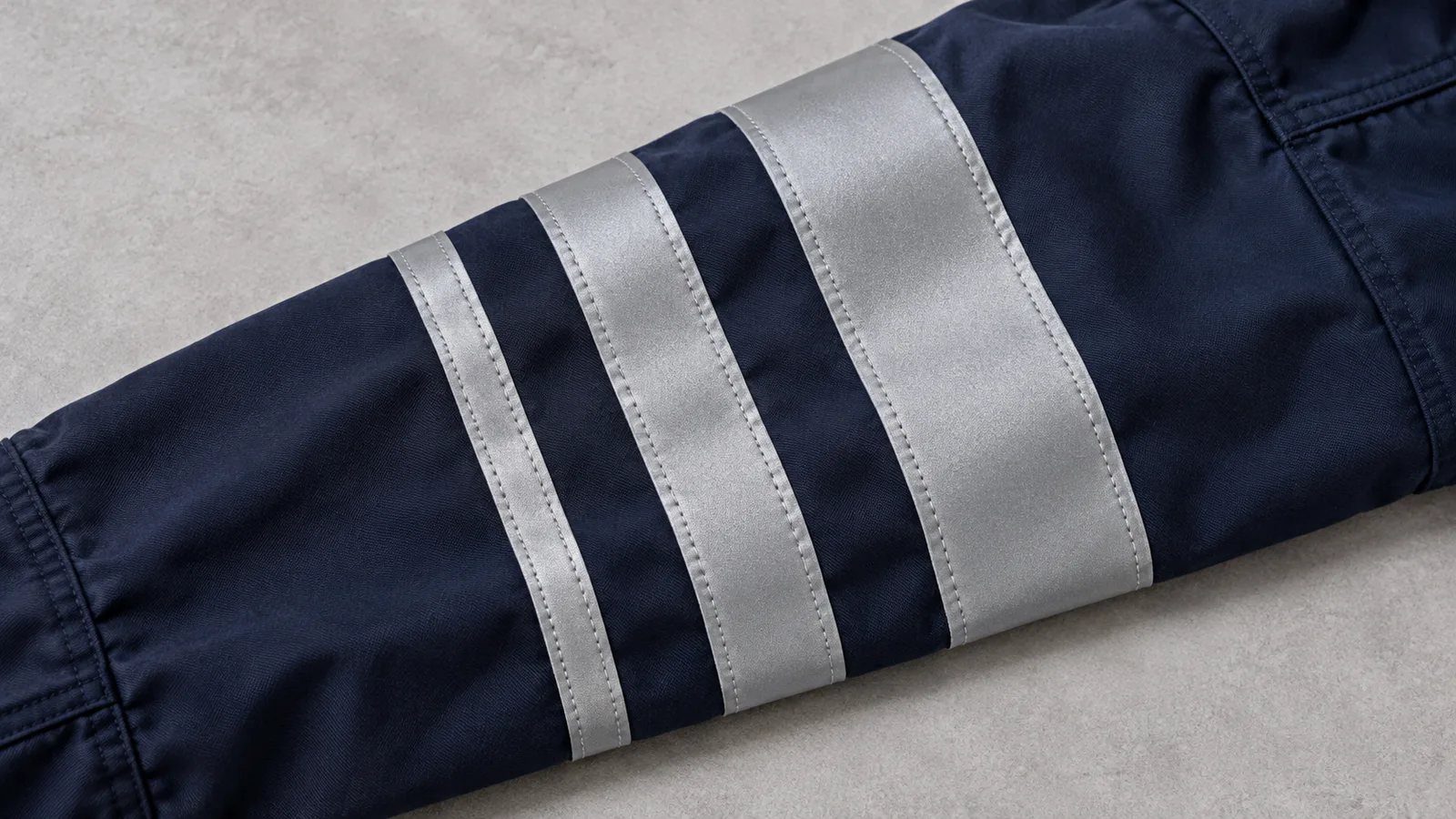
Use this comparison to frame like-for-like quotations:
| Form | Color | Application method | Key acceptance checks | Typical use |
|---|---|---|---|---|
| Reflective tape | Silver | Sew-on | Batch performance report; width and roll length; batch consistency | Jacket striping and piping |
| Reflective tape | Silver | Heat-transfer | Batch performance report; press parameters; adhesion after washing | Seamless lightweight panels |
| Reflective fabric | Yellow | Cut-and-sew panels | Batch performance report; color consistency; washing shrinkage | Large hi vis visibility zones |
| Reflective fabric | Black | Cut-and-sew panels | Batch performance report; daylight appearance; colorfastness | Brand and fashion workwear |
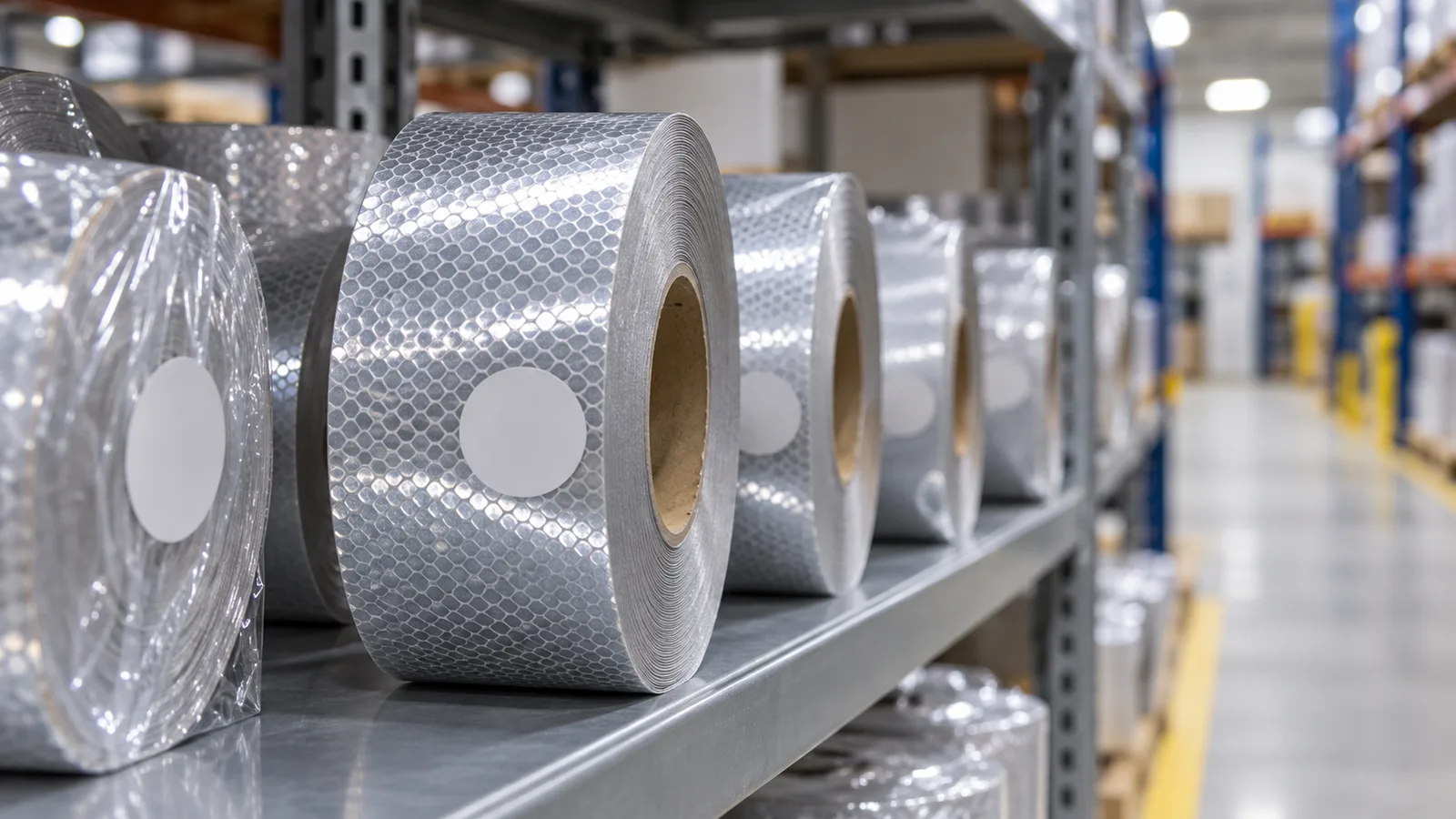
Format and specs match on paper; supplier behavior shows up only in execution. Evaluate how a candidate handles documentation, consistency and exceptions — where reflective material purchases most often go wrong — and for garment-level sourcing criteria, our supplier checklist for bulk OEM orders adds a complementary framework. Score every candidate against these ten checks:
Re-score the checklist at every renewal and at every annual audit; consistency drift shows up in reports before it shows up in garments.
Reflective material RFQs fail in predictable ways: a buyer sends a product photo and asks for price, then spends weeks reconciling quotes that were never comparable. Give every supplier the same written package and quotes align on the first pass. A complete package contains:
If you are an OEM buyer supplying your own reflective material, attach your incoming acceptance criteria so the factory’s process matches your specification. Approve samples against the same documents before any roll ships — our sample approval checklist details the inspection sequence. When the package is complete, send it via our contact page (subject: Reflective Tape and Fabric RFQ) and you will receive a quote you can compare line by line.
Reflective trim works by retroreflection: instead of scattering light, microscopic optical elements inside the material redirect light from a source such as vehicle headlights back toward that same source. Commercial products do this with either glass beads or microprismatic constructions — which is why daylight appearance says little about performance at night, and why this guide insists on test data. For the full science, see how reflective tape works.
Yes — decline from washing, abrasion and UV exposure is normal, which is why acceptance belongs to test reports rather than new-sample appearance. Set re-test points after defined wash cycles and replace trim when measured performance misses your spec. Care that slows the decline is covered in our use and maintenance guide for reflective safety clothing.
Common widths run 25 mm and 50 mm, with 5 cm standard for jacket striping; confirm dimensions on your spec sheet. Where a garment must meet a high-visibility standard, take width and placement requirements from the standard, not supplier defaults. When specs use brand shorthand such as 3M-type reflective fabric, translate it into measurable specs.
Yes — buyer-supplied reflective material is an established OEM arrangement. Make it work by agreeing in writing: incoming inspection criteria, batch traceability, storage conditions, and responsibility for re-testing material held in inventory. Send the subject line Reflective Tape and Fabric RFQ with your material specification and we will confirm the process for your program.
Sew-on tape is stitched with standard equipment, suits heavy or abrasion-exposed garments and shows a stitch line. Heat-transfer tape is pressed on, giving a seamless look on lightweight or stretch fabrics, but needs controlled press parameters verified at sampling. Choose by your production equipment and the garment’s wear conditions.
Request pre-production samples drawn from the production batch family, not showroom stock, and approve them against your written spec — dimensions, performance documentation and an application test on your own fabric. Our sample approval checklist walks through the sequence. State sample quantities and formats up front so terms settle with the RFQ.
Silver as the default for general workwear trim and panels. Yellow where the reflective zone should blend with fluorescent yellow garments by day. Black for brand-led workwear that looks conventional in daylight and still performs at night. In every case, final approval belongs to conformance samples from the batch family you will receive.
Specified correctly, reflective tape and fabric are among the least expensive components with the largest visible impact on a hi vis program — and the cheapest place to hide risk. Fix the form, width and documentation before comparing prices; qualify the supplier against the ten-point checklist; keep the RFQ complete enough that quotes arrive comparable. Then test what arrives. Request samples and a quotation via our contact page (subject: Reflective Tape and Fabric RFQ) — include garment type, target quantities and the specs above.
Browse safety jackets, compare certification requirements, or send your quantity and logo requirements for a bulk quote.

Choose hi vis work trousers for road, rail and warehouse crews: fabric, stripe placement, sizing, waterproof and bib-and-brace options for bulk...
Read More: Hi Vis Work Trousers: The Complete B2B Buying Guide
Source FR jackets, vests and coveralls for welders, electricians and utility crews. Specs, certifications and supplier checks for bulk OEM orders.
Read More: Flame Resistant Safety Jackets: Buying & Compliance Guide
A B2B guide to safety vest color codes: red for emergency crews, orange for road work, black for branded teams – order color-coded vests in...
Read More: Safety Vest Color Codes: What Each Color Means at Work