
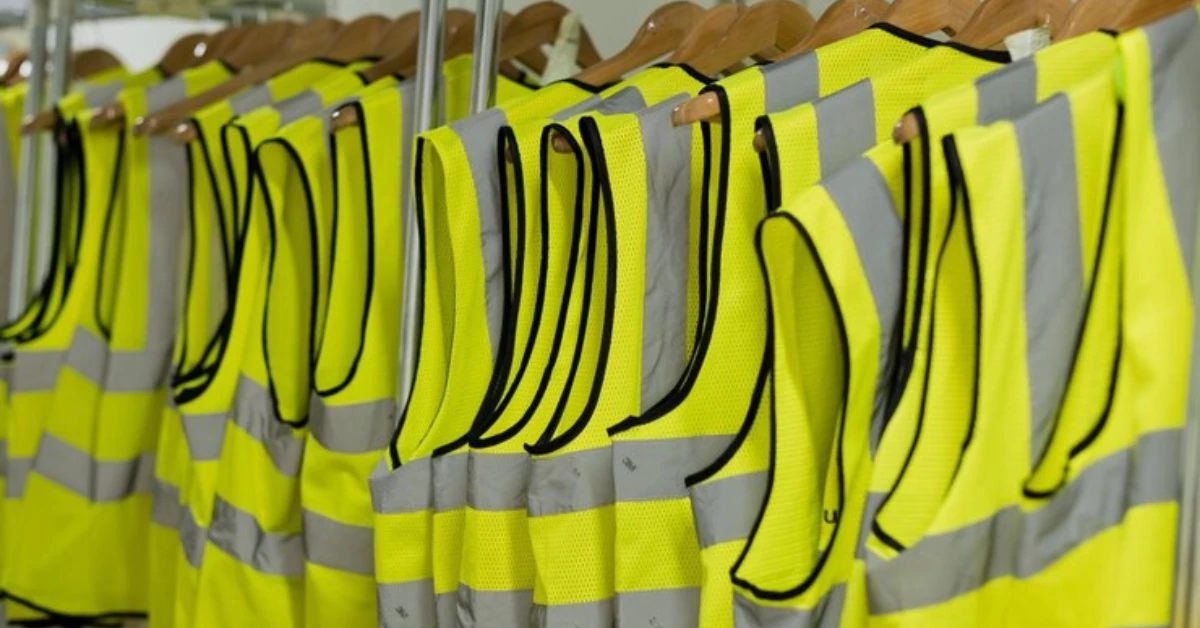
Recycled material safety jackets are becoming part of more PPE sourcing discussions, but bulk buyers need to treat them as a specification and verification project, not a marketing label. A jacket may use recycled yarn in the outer shell, lining, insulation, trim, or packaging, and each claim needs different supporting information. The buyer still has to confirm visibility requirements, logo placement, sizing, sample approval, and production QC before placing a bulk OEM order.
For broader background on the topic, see the earlier recycled safety workwear trend article, Eco-Innovation Breakthroughs: 2025’s Recycled Material Safety Jackets. For a project-specific review, buyers can send requirements through Custom OEM Hi-Vis Workwear or request a quote at Submit a Recycled Safety Jacket RFQ.
A recycled material safety jacket is a high visibility or safety work jacket that includes one or more components made with recycled inputs. In most RFQs, buyers ask first about recycled polyester because polyester is common in outer shell fabrics, linings, and some insulation systems. Other components may also be part of the discussion, including recycled nylon, recycled fiber filling, recycled woven labels, recycled polybags, or cartons with recycled paper content.
The important point is scope. A supplier should identify which component contains recycled material and which component does not. A statement such as “recycled jacket” is too broad for procurement use unless it is supported by a bill of materials, claim wording, and available documents. Buyers should also confirm whether recycled content applies to the full garment, the shell fabric only, the lining only, or a packaging component.
For high visibility workwear, recycled content does not remove the need to plan around the target visibility class and project requirements. Fluorescent background material, reflective tape layout, garment coverage, and performance testing may still apply depending on the market, standard, contract, and job site. Confirm the target standard and required documentation before approving bulk production.
The RFQ should begin with how the jacket will be used. A distributor supplying road contractors may need a different jacket than a warehouse operator, utility crew, port worker, or cold-weather construction team. The same recycled fabric claim may appear on products with very different weights, coatings, linings, closure systems, and reflective tape layouts.
Useful RFQ context includes climate, expected wear time, work zone exposure, washing expectations, logo needs, size range, order quantity, and packaging format. If the jacket must support a specific ANSI/ISEA, EN ISO, or contract requirement, state that requirement early and ask the supplier to confirm available options and documentation. Project requirements may vary, and the buyer should not assume that one recycled fabric option fits every safety program.
CTA: If your team is comparing fabric options for a bulk order, send the use case and target requirements to our OEM team for a practical material and specification review.
Recycled material safety jackets can be built around several component choices. Each one affects cost, hand feel, durability, lead time, and claim wording.
Outer shell fabric is usually the most visible part of the garment claim. Buyers may request recycled polyester oxford, pongee, softshell, or another woven fabric depending on weather protection and comfort needs. If the shell has a coating or laminate, ask whether the claim applies to the fabric face, backing, or complete composite.
Lining and insulation may use recycled content in some designs. Confirm which layer is recycled and whether the supplier can provide documentation for that layer.
Reflective tape should be handled carefully. Do not assume the reflective material contains recycled content unless the supplier states it and provides supporting documents. Confirm tape width, placement, wash performance, and compatibility with the target visibility standard.
The following checklist helps buyers compare suppliers without relying on broad sustainability wording.
| RFQ Item | What to Confirm | Documents or Evidence to Request | Buyer Notes |
|---|---|---|---|
| Recycled component scope | Shell, lining, insulation, trim, label, packaging, or full garment | Bill of materials and component claim | Avoid broad claims without scope |
| Recycled content statement | Percentage, if any, and calculation basis | Supplier declaration and available chain-of-custody documents | Do not invent or round percentages |
| Fabric performance | Weight, coating, color, strength, water resistance, breathability | Fabric sheet and available test reports | Match tests to the job site |
| Visibility requirements | Target class, color, tape layout, garment coverage | Standard-specific documents where applicable | Confirm before sampling |
| Logo and branding | Method, placement, colors, artwork limits | Artwork proof and sample photos | Do not cover required visible material |
| MOQ and lead time | MOQ by fabric, color, size mix, and material availability | Written quote and schedule | Confirm before promising delivery |
| Sample approval | Fit, fabric, tape, stitching, label wording, packaging | Pre-production sample and approval checklist | Sample approval does not replace bulk QC |
| Packaging | Polybag, carton marks, recycled packaging options | Packing list and packaging specification | Keep packaging claims separate |
Supplier paperwork should be specific enough for purchasing, quality, and sales teams to use. Ask for a fabric specification, garment specification sheet, size chart, bill of materials, quote sheet, and sample approval form. If the supplier offers recycled content documentation, ask which component it covers and whether it is available for the selected fabric lot.
Certification language needs care. A supplier may be able to support selected documentation, but buyers should not assume a finished garment has a certification unless the document clearly covers that product, material, facility, or transaction. If your market requires a specific standard, confirm the target standard, required label wording, and documentation format before production.
Factory capability also matters. A supplier should be able to explain material sourcing, sample development, reflective tape placement, logo methods, inspection steps, and packaging controls. You can review general manufacturing capability through Factory Overview, but the final decision should be based on the actual quote, sample, and documents for your order.
Recycled material safety jackets may have different MOQ conditions from standard fabric jackets. MOQ can depend on fabric availability, dyeing requirements, color, coating, tape choice, label customization, and size mix. A stock recycled fabric may support a lower MOQ than a custom-developed fabric, but the supplier must confirm this before quoting.
Lead time should include material confirmation, sample making, buyer approval, bulk production, inspection, packing, and export preparation. For urgent projects, ask whether the supplier has suitable recycled fabric in stock and whether the claim documentation can be provided for that fabric.
CTA: To avoid mismatched quotes, send your target quantity, size mix, garment use case, and claim requirements through Request a Recycled Safety Jacket Quote.
A pre-production sample is the point where the sourcing claim meets the actual garment. Buyers should check fabric appearance, color, hand feel, lining, insulation, reflective tape placement, stitching, logo position, label wording, size measurements, and packaging. If the sample includes recycled content wording on a label, hangtag, or product page draft, confirm that the wording matches the available documentation.
Quality control should continue after sample approval. Sample approval can reduce risk, but it does not replace bulk production QC. Define inspection points such as incoming material check, in-line sewing review, reflective tape placement check, measurement check, logo inspection, final packing inspection, and carton label review.
For high visibility garments, logo and pocket placement should be checked against the required visible material and reflective tape areas. Branding should not cover or interrupt required reflective material. If the jacket must support a stated safety class, request documentation where applicable and keep a record of the approved sample.
A clear RFQ reduces back-and-forth and helps suppliers quote comparable options. Include the following fields when requesting recycled material safety jackets:
The RFQ should also ask the supplier to flag unavailable claims or uncertain documents before quoting. This protects the buyer from approving sales copy or packaging language that the supplier cannot support.
Packaging claims should be written as carefully as garment claims. Use language tied to the verified component, such as “shell fabric made with recycled polyester” when only the shell is documented. Do not claim broad environmental outcomes unless your company has evidence for the product and claim.
Before issuing the purchase order, ask how the supplier handles material changes. If the quoted recycled fabric becomes unavailable, the supplier should notify the buyer before substitution because the replacement may change cost, color, documentation, or claim language.
CTA: If you need help turning a draft specification into a supplier-ready RFQ, contact us at Submit a Recycled Safety Jacket RFQ with your use case, quantity, and documentation needs.
Recycled material safety jackets are safety or high visibility jackets that include one or more components made with recycled inputs. Buyers should confirm which component is recycled before using the claim.
They can be planned around high visibility requirements, but the buyer must confirm the target standard, fabric color, reflective tape layout, garment coverage, and available documentation for the selected design.
Request a garment specification sheet, fabric specification, bill of materials, quote sheet, size chart, sample approval form, and recycled content documentation where available and applicable.
It may be possible depending on material availability and MOQ. Buyers should not specify or advertise a percentage until the supplier confirms the component, source, calculation basis, and supporting documents.
It can. MOQ and lead time may change based on fabric availability, custom color, coating, lining, logo method, and required documentation. Confirm these details before promising delivery dates.
Check fabric, color, fit, measurements, reflective tape placement, stitching, logo placement, label wording, claim wording, packaging, and whether the sample matches the written quote.
Browse safety jackets, compare certification requirements, or send your quantity and logo requirements for a bulk quote.

What are multi-pocket safety vests? Multi-pocket high-visibility work vests are work vests that are designed to contain many openings to enable the...
Read More: The Ultimate Guide to Multi-Pocket Safety Vests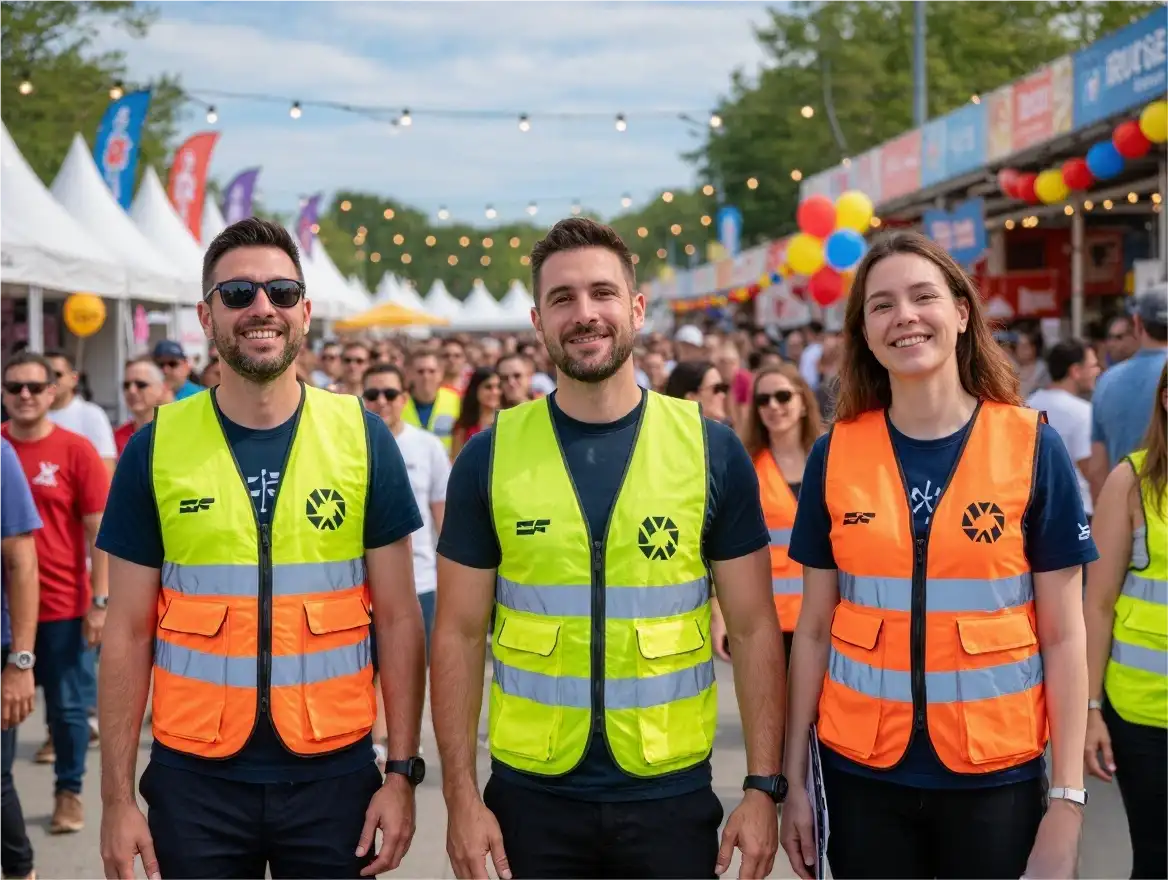
Why Invest in Custom Safety Vests with Your Logo? Companies in the construction sector, logistics, utility, event management, field services, and...
Read More: Custom Safety Vests with Logo: The Smart Choice for Safety, Branding, and Compliance
The workplace safety of the last ten years has developed a lot, and by 2026, the high-visibility personal protective equipment (PPE) will be of vital...
Read More: The Ultimate Guide to Fluorescent Yellow Safety Vests for 2026: Choosing and the Future of High-Visibility PPE