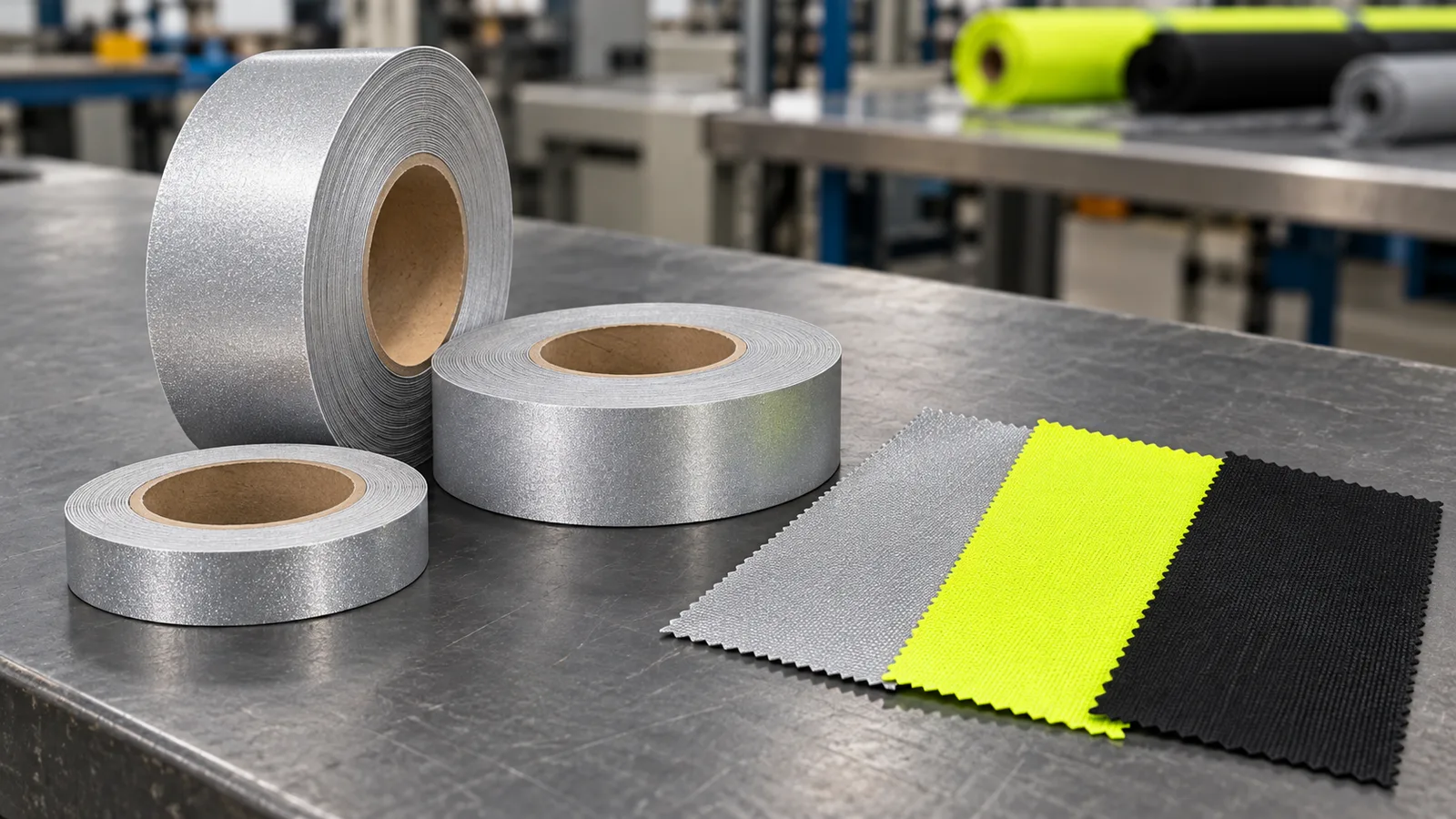

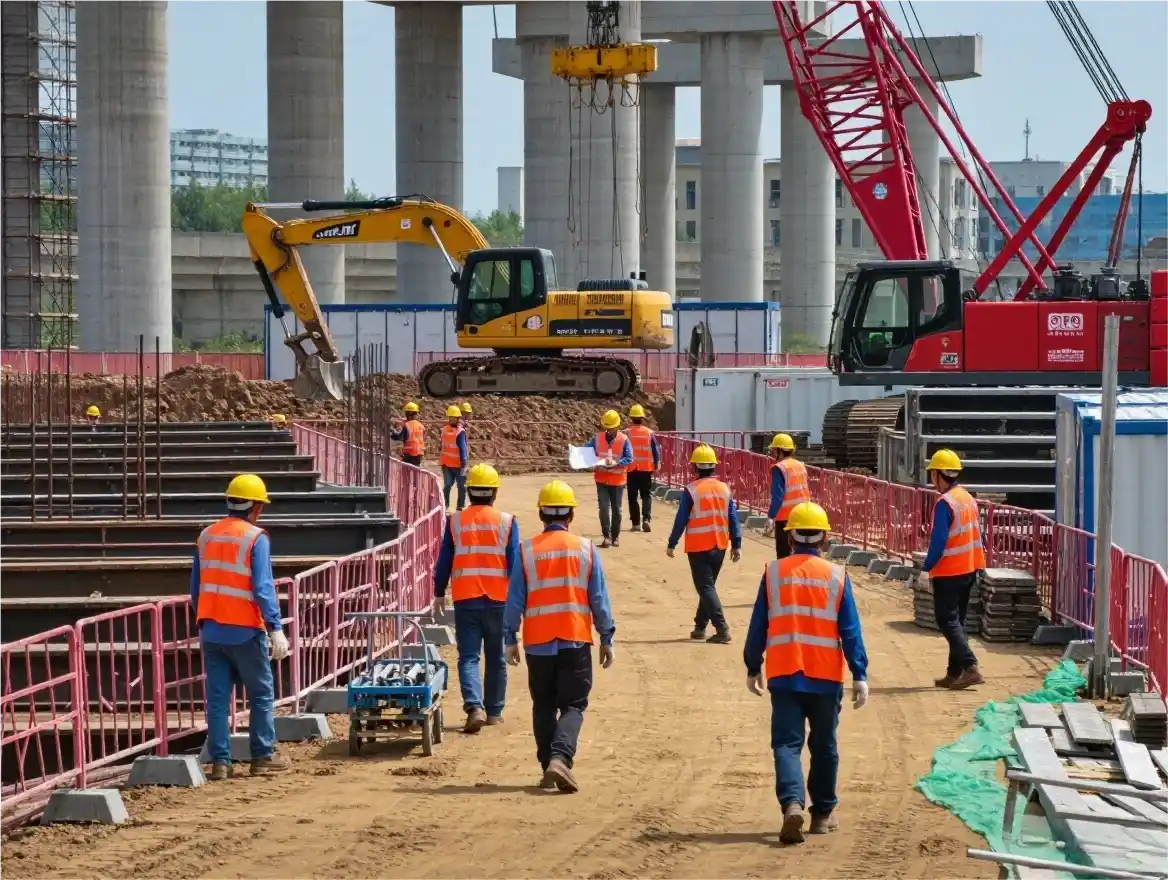
Choose a construction site safety vest by starting with the project’s requirements, the work conditions and the clothing worn with it. Then check the proposed model’s documents, fit, closure, pocket layout and sample. A job title, bright color or product photograph alone does not establish that a vest meets the site’s requirements.
Use this checklist to prepare a purchase inquiry and review a proposed garment. The site’s responsible team must determine the workwear requirements; this guide does not replace its risk assessment or site procedures.
Define the site conditions before choosing a vest
Describe where and how the garment will be used, including interaction with vehicles or equipment, lighting, weather, clothing layers and the items workers need to carry. Separate different tasks or shifts if their requirements differ. Do not assign a garment classification solely from labels such as construction worker, supervisor or visitor.
| Selection point | Information to provide | Decision or record to confirm |
|---|---|---|
| Work area and task | Activities, work location, vehicle and equipment interaction, and relevant site procedures. | The requirements set by the site’s responsible team for the proposed use. |
| Lighting and weather | Shift conditions, expected weather and any project requirements for visibility or weather protection. | Which requirements need model-specific documents or sample checks; do not infer them from fabric names. |
| Clothing and equipment | Seasonal layers and other clothing or equipment worn with the vest. | Fit, access, closure and compatibility on the proposed sample. |
| Identification and storage | Required labels, logo, carried items and their dimensions. | Approved positions, usable pocket space and the finished layout to review. |
Confirm the documents for the proposed garment
Include the destination market and the project’s required garment specification, standard and version in the inquiry. Ask the supplier to identify the exact model, color, sizes and configuration covered by the supplied documents. If the project’s requirements are not clear, resolve them with the responsible team before selecting a product on that basis.
- Match the quoted model and revision to the specification, garment label and sample.
- Check the scope, dates and configuration references of the reports or declarations supplied for the order.
- Identify differences between the documented garment and the proposed fabric, color, size range, reflective layout or decoration.
- Ask for clarification or additional evidence where the correspondence is unclear, and record who reviewed it.
A category name, reflective strip or general company statement is not model-specific evidence. Keep document review separate from checks of pocket convenience and fit; one does not establish the other.
Check fit, layers, closure and pockets on a sample
Request the garment’s chest and length measurements, arm openings, measurement method and tolerances. Try the intended size over the clothing normally worn on the relevant shift. Check the closure, reaching and sitting movements, and access to other clothing or equipment. Record any changes needed before approving the size split.
List each item the crew needs to carry, including device cases or radio accessories. Check the usable pocket opening, depth, closure and access with the actual items. Ask about carrying limits rather than assuming a large pocket can hold a heavy tool. The safety vest pocket-layout guide provides a more detailed carried-item checklist.
Review the proposed reflective layout with the garment’s documents and sample. Refer changes in pockets, labels or decoration to the supplier for review rather than assuming a changed layout has the same documented properties.
Plan for weather, layers and garment care
Compare fabric and construction using the actual specification and sample. Mesh, solid fabric or a product name alone does not establish cooling, water protection, durability or suitability for a shift. State the performance requirement you need assessed and request supporting evidence for the proposed material or finished garment.
Review how the vest will be worn with seasonal layers and other equipment. If a different garment is proposed for rain or colder conditions, check that model separately. Do not transfer the original vest’s documents or sample approval to another product.
Follow the specific garment’s sewn-in care label and manufacturer instructions. Include inspection of seams, closures, fabric and reflective material in the site’s garment-care process, and refer damage or replacement questions to the responsible team and supplier instructions. Do not apply a single wash count or replacement interval to every vest.
Review contractor identification and logo placement
Send the logo artwork, finished dimensions, colors and a marked position on the proposed garment. Request a suitable application method for its fabric and care instructions. Confirm that role labels or contractor colors meet the site’s identification requirements; color alone is not proof of a garment classification.
Review a decorated sample, including placement, legibility, attachment and the relationship to the reflective layout. Ask whether the proposed changes affect the supplied garment documents and resolve any questions before approval. Do not assume that one printing or embroidery method suits every fabric.
Use the company-logo vest order checklist to prepare the artwork and approval record.
Shortlist models without assuming site suitability
Browse the safety vest range for candidate styles. The fluorescent multi-pocket vest listing describes ID and pen storage, external and internal pockets, and shoulder mic tabs; confirm their dimensions and configuration on a sample. The mesh fabric vest is a fabric and closure comparison, with pocket details still to request.
These catalog descriptions do not establish that either model meets a particular construction project’s requirements. Request the specification and applicable documents for the exact proposal before deciding. The construction workwear procurement page provides a broader inquiry route; each proposed model still needs its own review.
Prepare the construction order brief
Project destination and intended work:
Site-required garment specification, standard/version and documents:
Candidate model links and proposed configuration:
Quantity by size and color:
Clothing layers and other equipment worn with the vest:
Carried items, dimensions and pocket requirements:
Logo file, dimensions, colors and marked position:
Sample deadline and requested delivery date:
Labels, packaging and inspection requirements:
Please confirm the current model specification and size chart,
documents matching the proposal, sample charges and shipping,
MOQ by model and color, price basis, delivery terms,
and when the production schedule starts after the required approvals.
Keep the approved specification, document review, sample photos, measurements, size split, artwork and packing instructions with the purchase order. Use the safety vest sample approval checklist to record approvals and outstanding questions. Agree how changes will be reviewed before releasing production.
Send your construction vest requirements for a quote. Include the information above so the proposed models, documents and order terms can be reviewed together.