Confirm order quantity|Processing & Manufacturing|Confirm sample terms

Build the size breakdown for each style using the supplier’s current size chart and fit samples. Count what each wearer needs, then add replacement stock on separate lines. That gives the supplier a quantity to quote and gives your team a record to check before the purchase order is released.
Ask the supplier for the chart revision, units and measuring instructions for each quoted style. A body measurement tells you which size range a person falls into. A finished garment measurement tells you how large the item itself is. For example, a flat chest width measured across a jacket and a body chest circumference describe different things. Ask where the measurements are taken and which tolerance applies to each point your team plans to check.
For a vest or jacket, have wearers try the sample over the layers they will use on the job. Check that they can fasten it and move comfortably when they reach, bend and sit. For a polo or T-shirt, check sleeve and body length with the workwear normally worn alongside it. Use the current reflective T-shirt selection guide if the team is still choosing between sleeve lengths. Record the size and version printed on the sample before sharing the results.
Collect the confirmed size and garments per wearer for each style and color. Use anonymous counts on the supplier copy. Keep different site or delivery batches on separate lines if they need separate packing. Mark unresolved fittings as pending in the internal count and resolve them before issuing the order.
Calculate each line as the number of wearers multiplied by the units each wearer needs, plus approved spare units for that line. Keep the spare quantity visible. If you have prior issue records, use actual exchanges, new starters and replacement demand to decide which sizes need spares.
| Style or SKU | Color | Size | Site or delivery batch | Confirmed wearers | Units per wearer | Spare units | Total units |
|---|---|---|---|---|---|---|---|
| ___ | ___ | ___ | ___ | ___ | ___ | ___ | ___ |
| ___ | ___ | ___ | ___ | ___ | ___ | ___ | ___ |
Attach the chart revision and sample ID to the sheet. Check that the sum of all rows matches the quote and purchase order. Ask the supplier to flag unavailable sizes, mixed-size packing restrictions and minimum quantities by style or color. If a quoted size is unavailable, resolve the affected rows before signing off.
For reflective jackets, note the layers used in the fit trial so a later buyer can reproduce the decision. Include the approved breakdown in your sample approval record, along with any garment measurements and tolerances you intend to use for receiving checks.
Request a bulk workwear quote with the shortlisted styles, size breakdown, delivery destination and any sizes still awaiting a fit sample.
Browse safety jackets, compare certification requirements, or send your quantity and logo requirements for a bulk quote.
Use your previous purchase order, approved sample and current supplier specification to verify a hi-vis workwear reorder before approving production.
Read More: Hi-Vis Workwear Reorder Checklist: How to Verify the SpecificationCheck carton labels, quantities, sizes and garment details against your purchase order. Use a receiving log to record discrepancies before issue.
Read More: Bulk Workwear Receiving Checklist: What to Check Before Issue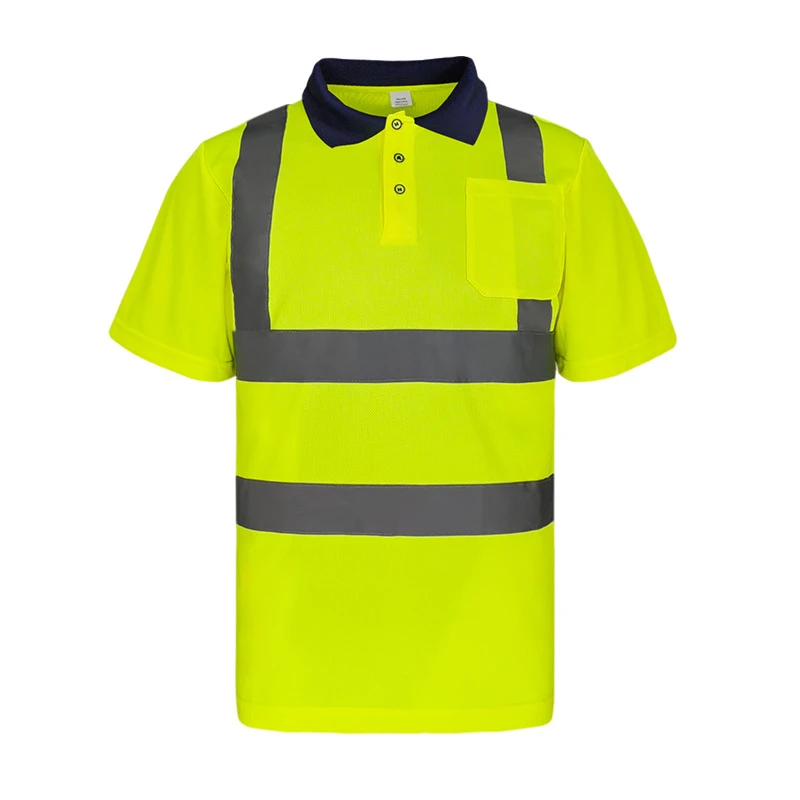
Choose a reflective polo when the team needs a shirt as part of its uniform; consider a safety vest when it needs a separate outer layer that can be...
Read More: Reflective Polo Shirts vs Safety Vests: Choosing Team Workwear