Confirm order quantity|Processing & Manufacturing|Confirm sample terms

At delivery, match the cartons to the packing list, reconcile the quantities by style, color and size, and compare selected garments with the approved order. Hold affected cartons or units if you find a discrepancy. Record the carton and item details while the packaging is still available.
Have the purchase order, packing list, approved specification and sample record ready. Count the cartons and match each carton mark to the packing list. Record any missing, extra or damaged cartons. For split deliveries, note the quantities scheduled for a later shipment so the receiving team can distinguish an expected balance from a shortage.
Compare the unit counts by style, color and size with the purchase order. For mixed cartons, check the individual size labels against the carton breakdown. A shipment can contain the correct total number of garments while leaving one site short of a particular size.
Follow the inspection scope agreed in the order. For the items you check, match the SKU and size label, color, reflective trim layout, artwork version and label details to the approved reference. If the order specifies garment measurements, record the actual value, unit, measurement point and agreed tolerance. The sample approval checklist can help you locate the reference measurements and artwork.
Where the purchase order calls for reports or other documents, match the references to the supplied product version and relevant order details. A receiving inspection records what arrived and what was observed. Refer questions about the scope of a test report or declaration to the person responsible for approving the product.
| PO and delivery reference | Carton mark | SKU, color and size | Expected | Received or observed | Units affected | Evidence | Status and owner |
|---|---|---|---|---|---|---|---|
| ___ | ___ | ___ | ___ | ___ | ___ | ___ | ___ |
Keep affected stock identifiable and retain the packaging. Photograph the carton mark, product label and discrepancy. For a measurement issue, include a clear view of the measuring points and the scale. Send the supplier the order reference, affected quantities and evidence, and agree who can release stock or authorize a replacement or other resolution. Record that decision with the receiving log. Check the order support and return policy for the information required when reporting an issue.
For your next bulk workwear order, agree on carton marks, size splits, required documents and the inspection scope before production. Share the agreed format with the people receiving the goods.
Browse safety jackets, compare certification requirements, or send your quantity and logo requirements for a bulk quote.
Use your previous purchase order, approved sample and current supplier specification to verify a hi-vis workwear reorder before approving production.
Read More: Hi-Vis Workwear Reorder Checklist: How to Verify the SpecificationBuild a size breakdown for bulk hi-vis workwear using the supplier’s size chart, fit samples, wearer counts and a quantity worksheet.
Read More: Hi-Vis Workwear Sizing: How to Build a Bulk Order Size Breakdown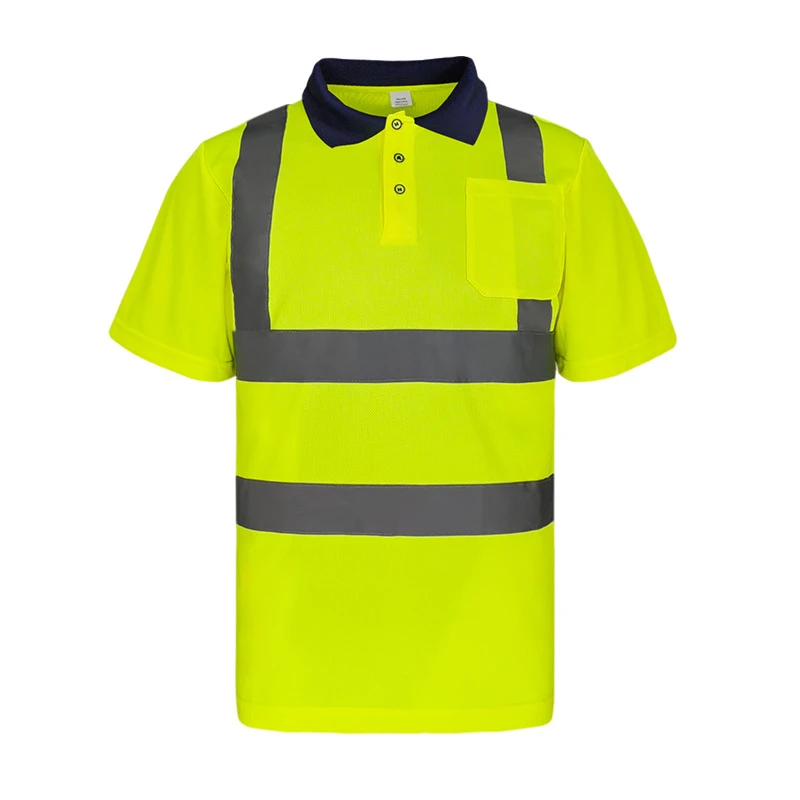
Choose a reflective polo when the team needs a shirt as part of its uniform; consider a safety vest when it needs a separate outer layer that can be...
Read More: Reflective Polo Shirts vs Safety Vests: Choosing Team Workwear