Confirm order quantity|Processing & Manufacturing|Confirm sample terms

Send the supplier the previous purchase order number, approved sample reference and current quantity by style, color and size. Ask for written confirmation of the specification they will use this time and a list of changes. Review those changes before approving production, even when the quote shows the same SKU.
Find the final purchase order, the accepted specification or bill of materials, the size chart revision, the approved artwork and placement drawing, and the sample ID. If you also keep an older sample or quote, use the references on the final approval to identify the version that applies. Note any exceptions approved for that production run and ask whether they are included in the new quote.
For a private-label or custom workwear program, also include the final care label, barcode or internal SKU rules, bag label and carton mark. These files help the receiving team match the new delivery to the same inventory records.
Use one line per item to record the previous approval, what the supplier proposes now and what you need to approve. Cover fabric, reflective trim, closures, fit measurements, logo, labels and packaging where they affect your order.
| Item | Last approved reference | Supplier’s current proposal | Evidence or sample required | Buyer decision and date |
|---|---|---|---|---|
| Fabric and reflective trim | ___ | ___ | ___ | ___ |
| Fit and size chart revision | ___ | ___ | ___ | ___ |
| Logo, label and packing files | ___ | ___ | ___ | ___ |
| Required documents for the specified product | ___ | ___ | ___ | ___ |
If the supplier proposes a different fabric, reflective trim or fit, ask for the revised specification and have the responsible person check the change against the original order requirements. Where a change affects a required test report or declaration, confirm which document covers the proposed version. For a fit or artwork change, decide whether you need a new sample and use the sample approval checklist to document your decision.
Use the latest stock and issue records to decide what to reorder by size. Keep the specification revision separate from the new quantity sheet. Ask the supplier to confirm the minimum quantity, cost, sample requirements and schedule for this order, including when the schedule starts. Check whether different colors or sizes have separate order conditions.
Reference the final specification and approval record on the new purchase order. If a substitution is proposed after approval, ask the supplier to send it for written review before using it.
Request a reorder quote with the previous order reference, quantity by size and any changes you already know you need.
Browse safety jackets, compare certification requirements, or send your quantity and logo requirements for a bulk quote.
Check carton labels, quantities, sizes and garment details against your purchase order. Use a receiving log to record discrepancies before issue.
Read More: Bulk Workwear Receiving Checklist: What to Check Before IssueBuild a size breakdown for bulk hi-vis workwear using the supplier’s size chart, fit samples, wearer counts and a quantity worksheet.
Read More: Hi-Vis Workwear Sizing: How to Build a Bulk Order Size Breakdown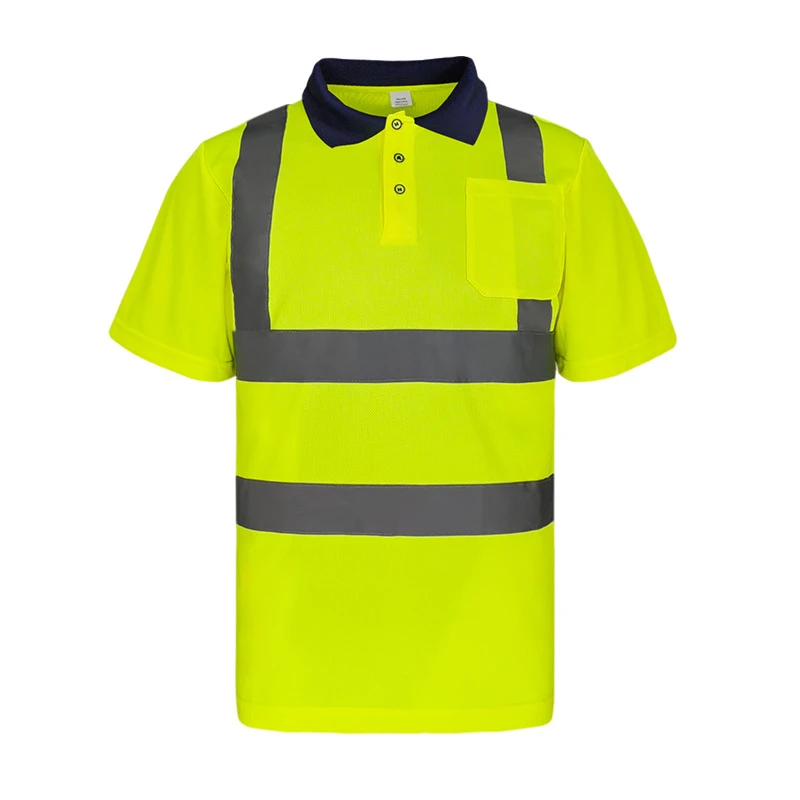
Choose a reflective polo when the team needs a shirt as part of its uniform; consider a safety vest when it needs a separate outer layer that can be...
Read More: Reflective Polo Shirts vs Safety Vests: Choosing Team Workwear