
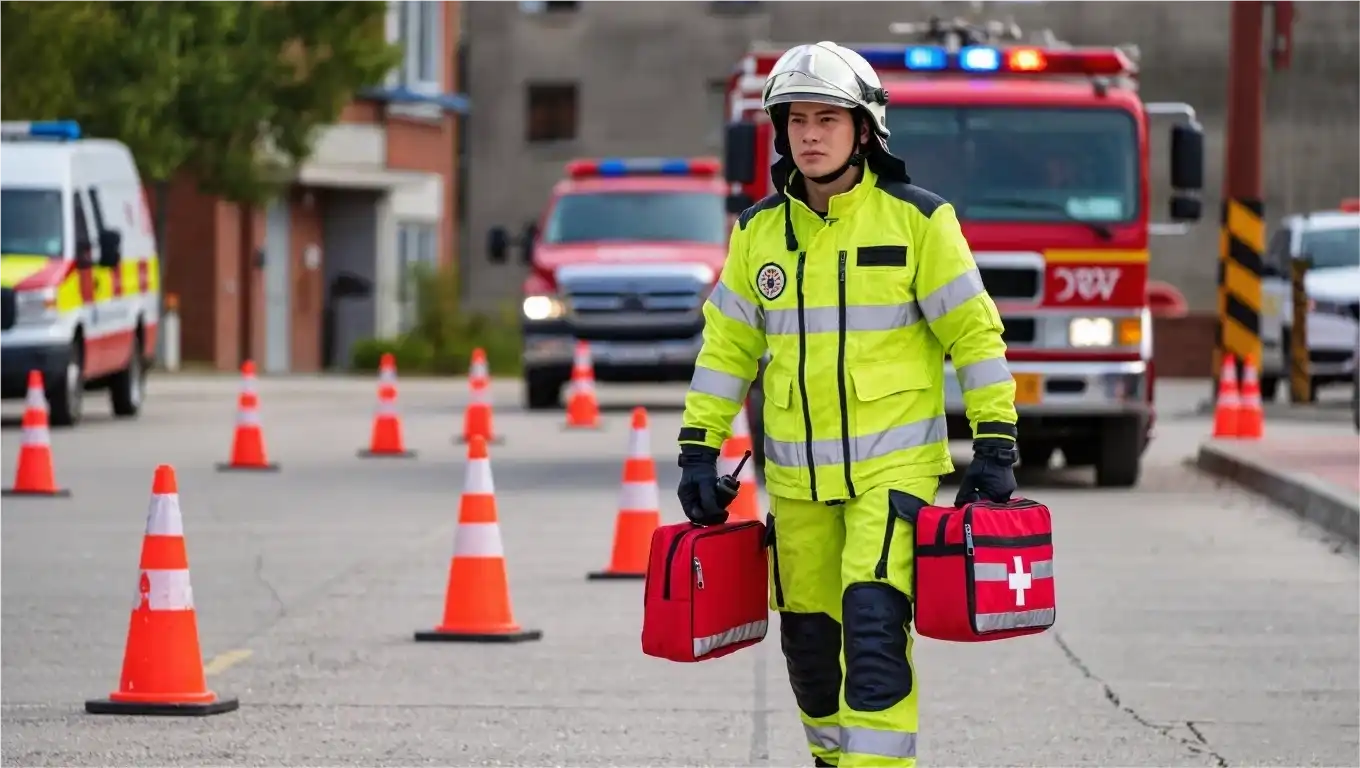
ANSI-compliant ANSI-compliant workwear in the current fast-paced industries, where visibility and safety are synonymous factors, is important in the safety of the workers.It can be a save or a loss in terms of saving a life in a construction site, a warehouse or any other place that requires the proper safety gear. Also under compliance is that the workwear is observable under all the necessary safety standards and this aids the organizations in attaining safety compliance in the workplace and reducing the chances of accidents.
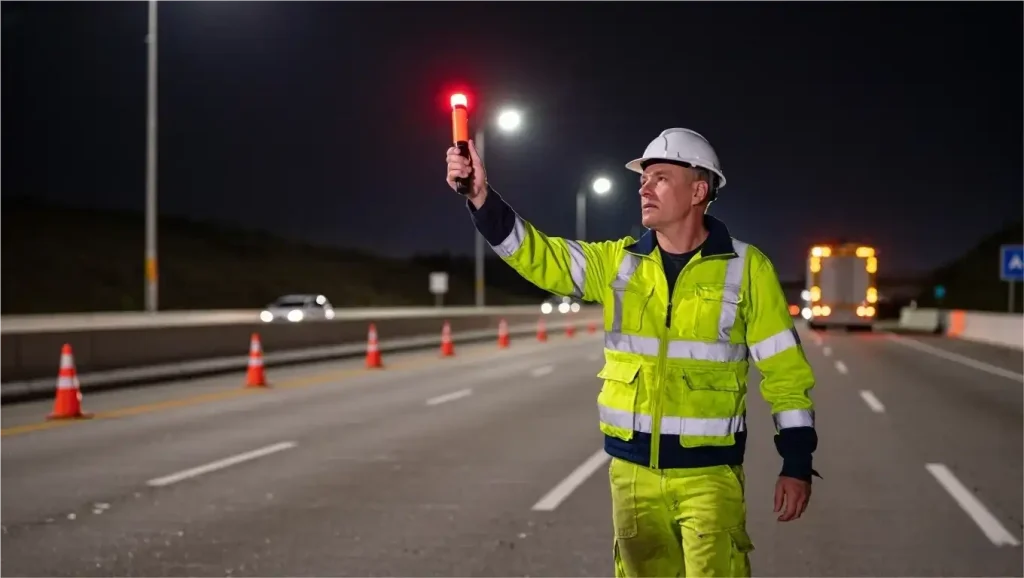
Safety is directly impacted,directly impacted, particularly when there is movement in the vehicles or machinery. Employees in reflective attire will be more visible to the driver and fellow employees, hence reducing the chances of accidents. Research has always indicated that the increased visibility can reduce workplace injuries and fatalities by a significant margin.
ANSI establishes the standards of high-visibility apparel apparel so that all the safety garments have the same requirements. These standards help manufacturers in designing apparel with consistent protection to ensure that the quantity of protection, visibility, and safety is consistent among all workers.
ANSI compliance is used in reference to the fact that a garment has been tested and it was compliant with the specific rules as established by the American National Standards Institute (ANSI). It establishes that materials, colors,materials, colors, and reflective elements work to meet stipulated levels in changing conditions.
ANSI removes confusion by setting up the same guidelines and making sure that regardless of the industry, such as construction, logistics, or emergency response, the workers wear the same apparel to be seen the same way.
The ANSI standards development goes back several decades and has been changing with the culture of safety at work. With the presentation of visibility and centric and centric guidelines, personal protective equipment (PPE) was transformed from 2015 to 2020, from 2015 to 2020, and this fashioned the current safety practices.
The Development of High-Visibility Apparel Needs.
First, the reflective workwear was restricted to the road workers. However, as the industries realized the necessity to be seen, the demands were also spread over to all industries that had either low-light or high-risk situations.
Significant additions to the ANSI/ISEA 107 Standard.
| Class | Application Example | Minimum Background Area | Reflective Material |
| Class 1 | Drivers, warehouse attendants. | 217 in² | 155 in² |
| Class 2 | Construction workers, roadway workers, and the weather. weather. roadway workers, and the weather. | 775 in² | 201 in² |
| Class 3 | Highway and emergency personnel. | 1240 in² | 310 in² |
Amendments and changes to the changes to the roadway in the ANSI 107 standard, changes to the standard, and, changes to the standard, and changes to the latest edition.
The most recent one deals with combined-performance materials, better labeling, and new design standards of such accessories as gloves and armbands.
Contemporary WorkplacesWorkplaces are associated with ambivalent lighting and traffic conditions. The 107 Standard will make sure that all workers are visible at all times, which will keep them in compliance and limit liability.
Class 1, Class 2, and Class 3 are classifications of various levels of protection depending on job hazards.
Always check for:
The essential performance factors are:
Evaluate the following variables:
Type of work performed
Popular Myths about ANSI Workwear.
Logos and branding can be added by printing, embroidery and heat transfer. Nevertheless, placement should not disrupt reflective sections and decrease visibility.
In safety regulations, ANSI/ISEA 107 is referred to as OSHA. Firms and companies should provide the required protective equipment to the workers who are exposed. Failure to comply can result in punishments or even breach of safety. The case studies show that the accident rates reduced by 60 per cent when high-visibility clothes were worn. Greater visibility will increase the awareness of the workers and active safety culture.
Internal audits and the cooperation with certified suppliers should help keep the compliance. Maintain all the records of the inspections and records.
It can be improved by smart tracking technology and real-time visibility monitoring implemented in the future, which will enhance the safety of workers and data-driven compliance platforms.
ANSI-compliant workwear will provide long-term security, regulation assurance, and tranquility. Through compliance on safety issues at the workplace and by following ANSI 107 standards, companies are capable of creating a culture of safety first, where all workers are regarded, appreciated, and taken care of.
Browse safety jackets, compare certification requirements, or send your quantity and logo requirements for a bulk quote.
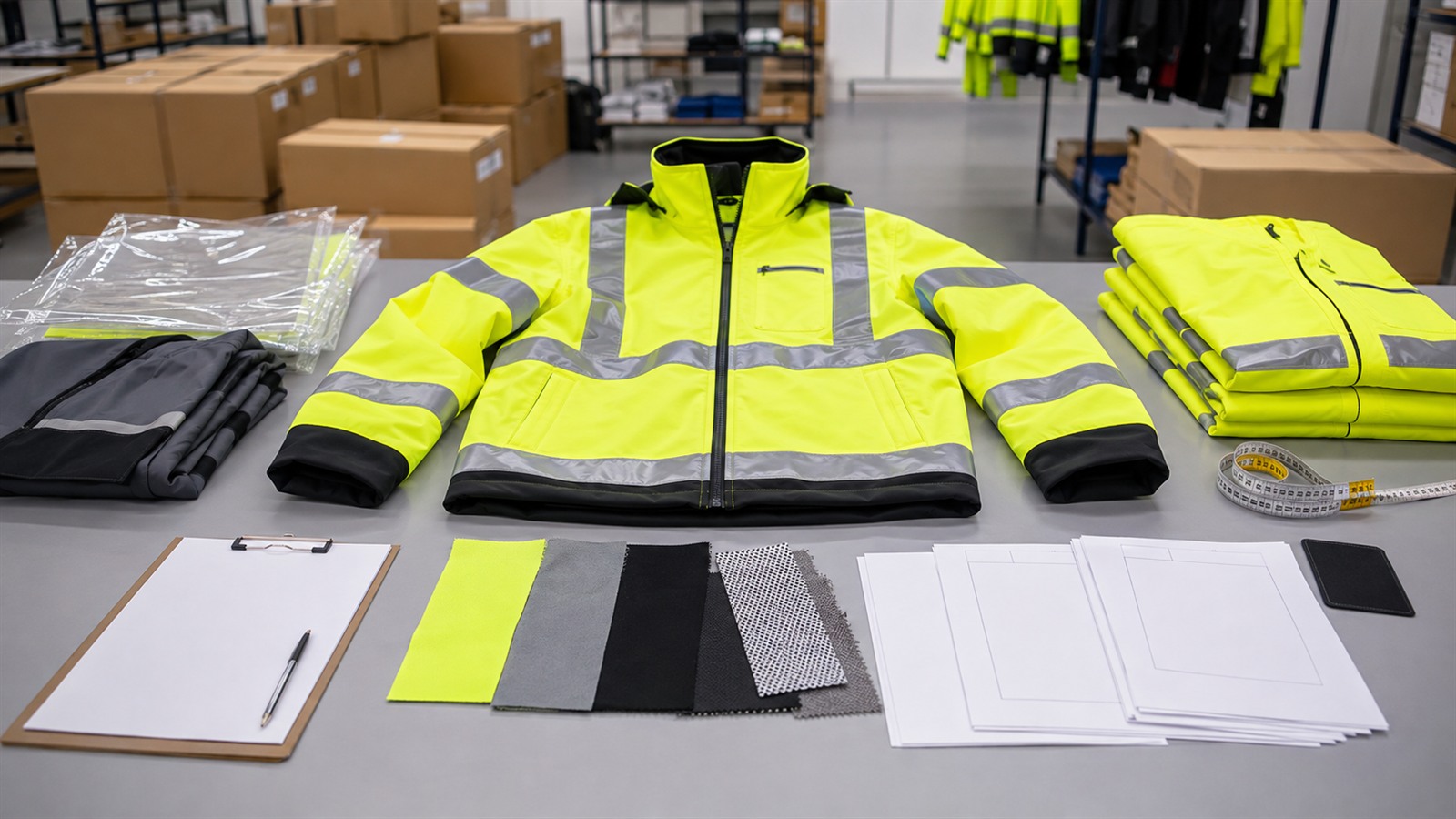
Use this safety jacket supplier checklist to evaluate bulk OEM suppliers for specifications, compliance planning, samples, quality control, lead...
Read More: How to Choose a Safety Jacket Supplier for Bulk OEM Orders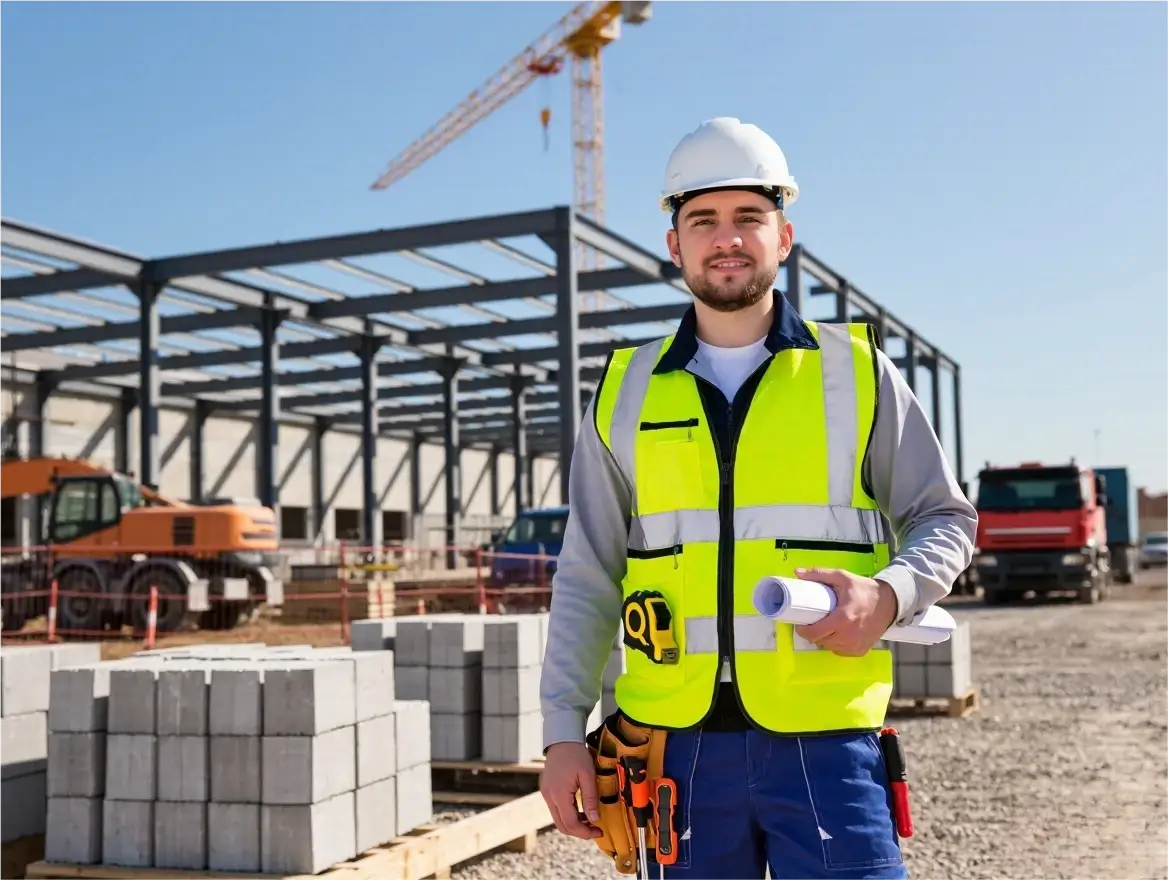
What are multi-pocket safety vests? Multi-pocket high-visibility work vests are work vests that are designed to contain many openings to enable the...
Read More: The Ultimate Guide to Multi-Pocket Safety Vests
Why Invest in Custom Safety Vests with Your Logo? Companies in the construction sector, logistics, utility, event management, field services, and...
Read More: Custom Safety Vests with Logo: The Smart Choice for Safety, Branding, and Compliance