Confirm order quantity|Processing & Manufacturing|Confirm sample terms

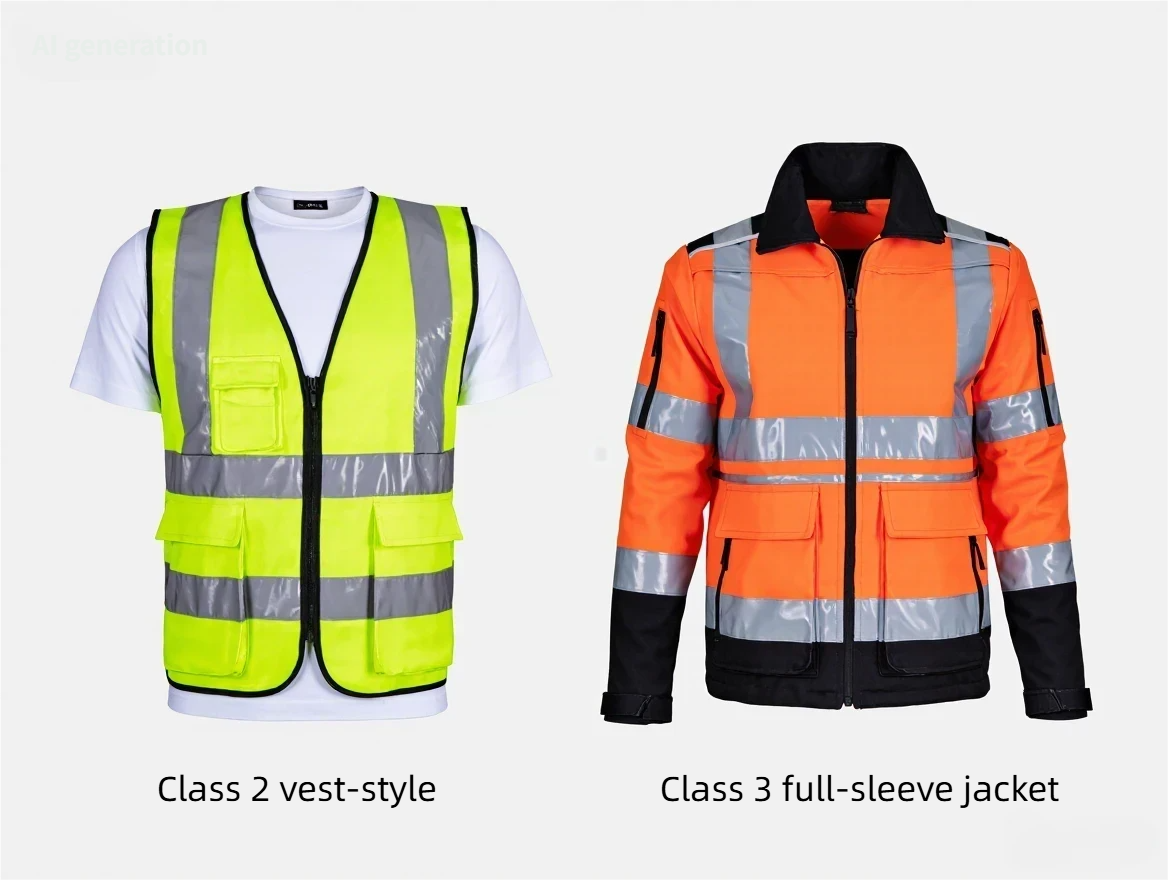
Comparing ANSI class 3 safety jackets to class 2 safety jackets, a number of workers are left at a crossroad and do not know which one to use in their work. This may be a minor difference, but in safety equipment, even minor details can mean life and death. Wearing high visibility shirts, reflective shirts, or safety shirts, it is important to know the proper ANSI classification for protection at the workplace.
Here is a full, permanently organized, guide, which takes you through your entire outline.
The ANSI/ISEA 107 standard is used to specify the amount of visibility, reflective tape and design features of a safety garment. It imposes rigorous standards on employees in the construction, traffic, warehouse, road, airport, utility and industrial areas.
ANSI standards ensure:
Wearing a jacket that is not the right one can mean:
The safety jacket you wear renders your visibility to the eye directly depending on the distance; day or night.
It is better to define each of them before making a comparison.
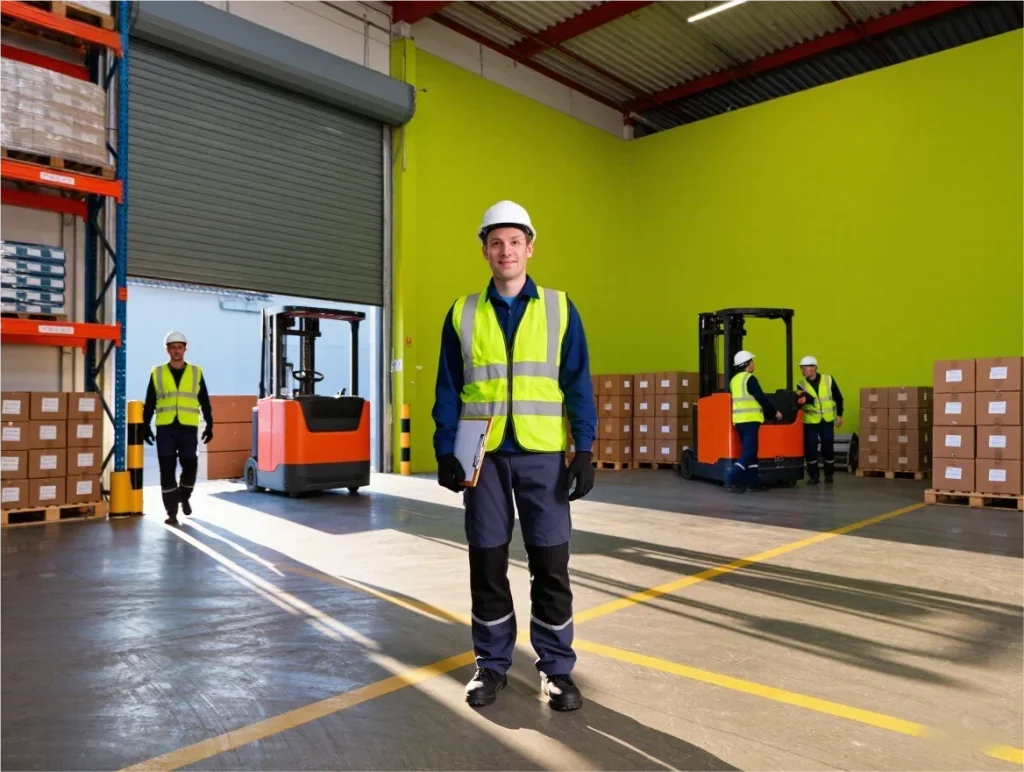
ANSI Class 2 jacket fits the environment that is characterized by less than 50mph traffic and fair lighting.
Characteristic Applications of Class 2 Vests.
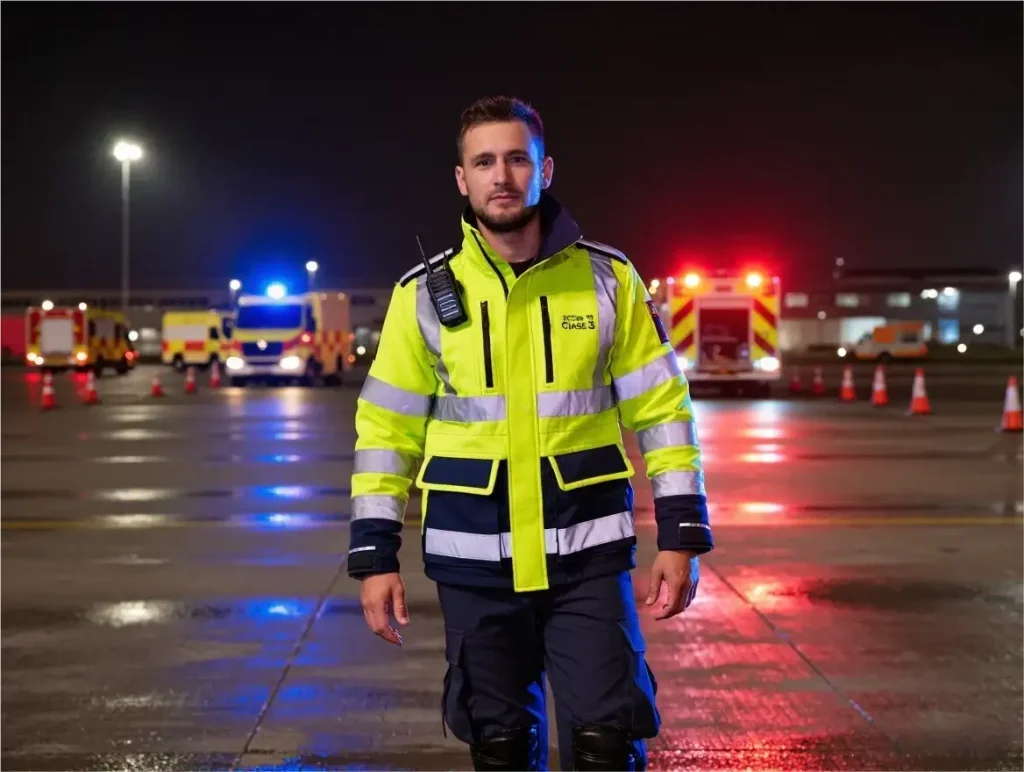
Jackets in Class 3 are the most visible in the area.
Class 3 garments include:
The biggest factor separating ANSI class 3 safety jacket vs class 2 is coverage area.
Class 3 includes sleeves, which dramatically increases reflective surface area.
Below is a quick breakdown straight from ANSI guidelines:
| Feature | Class 2 | Class 3 |
| Background Material | 775 sq. in. | 1240 sq. in. |
| Reflective Tape | 201 sq. in. | 310 sq. in. |
| Sleeves Required | No | Yes |
| Visibility Distance | Medium | Maximum |
| Traffic Speed Suitability | < 50 mph | > 50 mph |
There is continuous movement of arms during work.
The movement causes reflective sleeves to be seen immediately in the headlights creating a faster recognition of a human shape by the drivers.
In Class 2 clothing, there is no lighting of arms that decreases motion visibility.
A Parallel Examination of the Visual Dissimilarities.
Class 2
Class 3
During the night; the consideration of reflectivity is more important than color. Class 3 jackets reflect more than 50 percent more light, which provides a clear outline of the body of a worker.
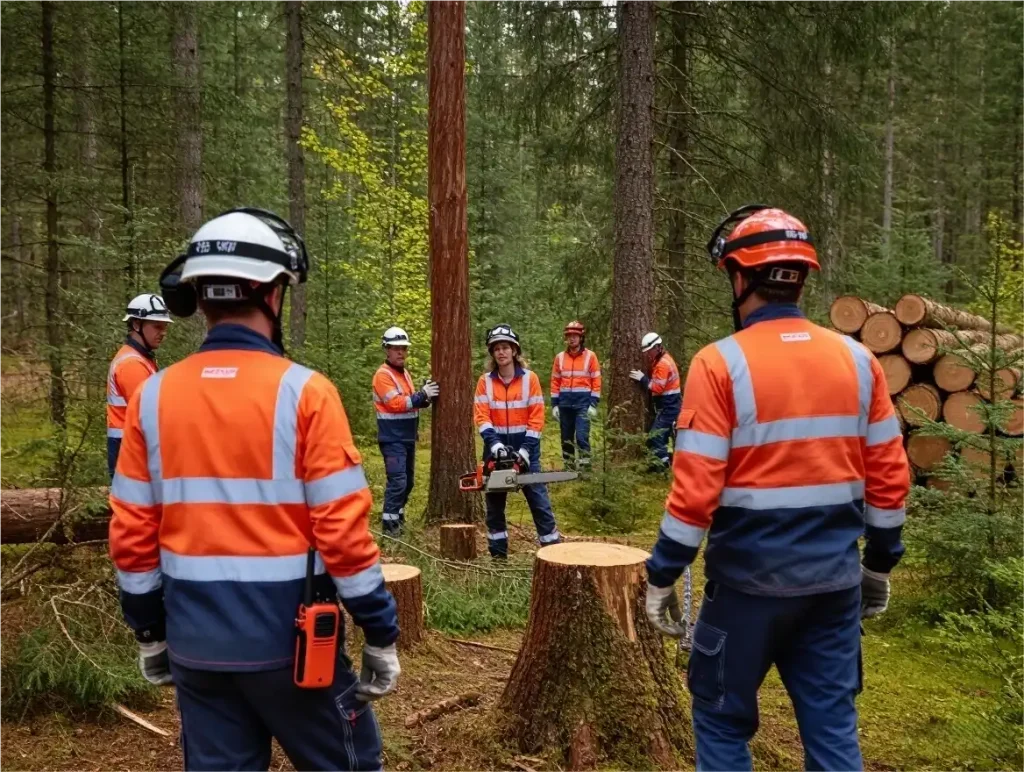
Yellow-green is normally good at high visibility.
Forestry or traffic crews prefer orange to be used to contrast the natural backgrounds.
The Class 2 and Class 3 garments are both made with the same fluorescent colors, but it is the coverage that distinguishes the two.
In other cases, extra layering causes class 3 jackets to be heavier and more durable.
Class 2 vests:
Class 3 jackets:
Class 3 jackets can often contain:
Construction: Designation 3- high-speed zones.
Traffic control: Class 3 suggested.
Warehousing: Class 2 adequate indoors.
Utility work: Day class 2, night Class 3.
Emergency response: Class 3 essential.
Making the wrong decision of Class 2 over Class 3 in a high-speed zone may lead to:
Myth 1: The Determination of Class is Just through the Color.
False.
Coverage and reflective tape- not color.
Myth 2: Multiple Layering is Compliant by Nature.
Layering causes less visibility except when the topmost layer is ANSI qualified.
| Category | Class | Class3 |
| Safety Level | Medium | highest |
| Sleeves | No | yes |
| Suitable for | Moderately risky job sites | High-risk, low-light, high-speed zones |
| Best for | Daytime,warehouse,retail | Night work, highways, emergency work |
Loose or tight jackets lead to a low reflective visibility.
Fit must be easy to move around and tape can always be seen on every side.
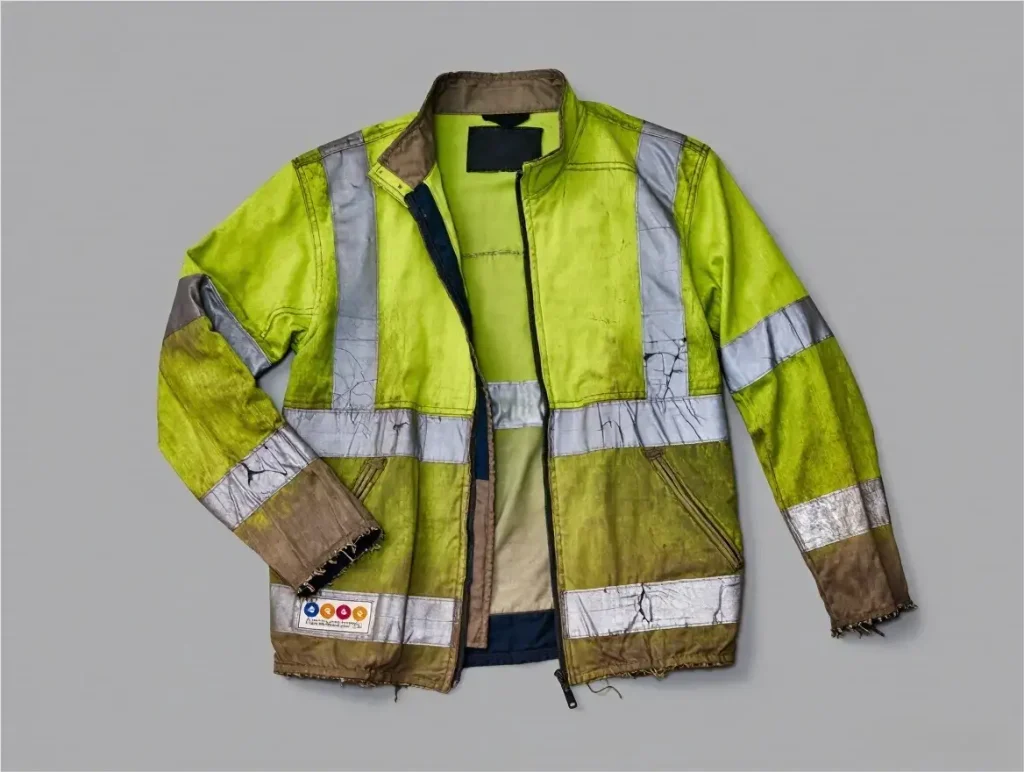
Replace your jacket when:
Summary of the Macro Differences Recap.
Visibility is your safety and never be compromised.
Finally, a decision between the correct ANSI class 3 safety jacket and class 2 can be the matter of being observed or overlooked. To be as safe as possible, it is essential to ensure that you select the class that corresponds to the level of risk in your job, the level of lighting and the speed of traffic.
Browse safety jackets, compare certification requirements, or send your quantity and logo requirements for a bulk quote.
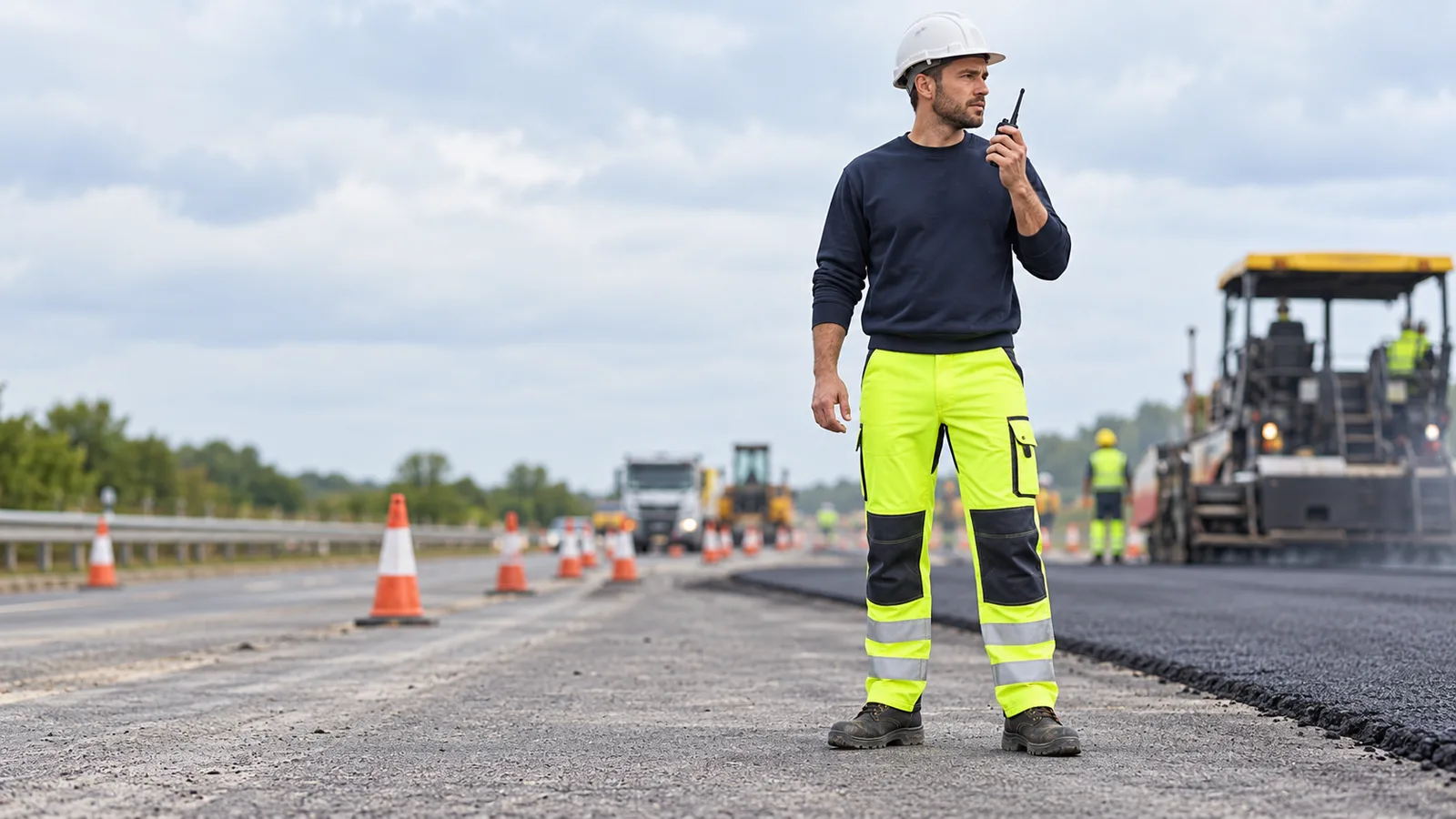
Choose hi vis work trousers for road, rail and warehouse crews: fabric, stripe placement, sizing, waterproof and bib-and-brace options for bulk...
Read More: Hi Vis Work Trousers: The Complete B2B Buying Guide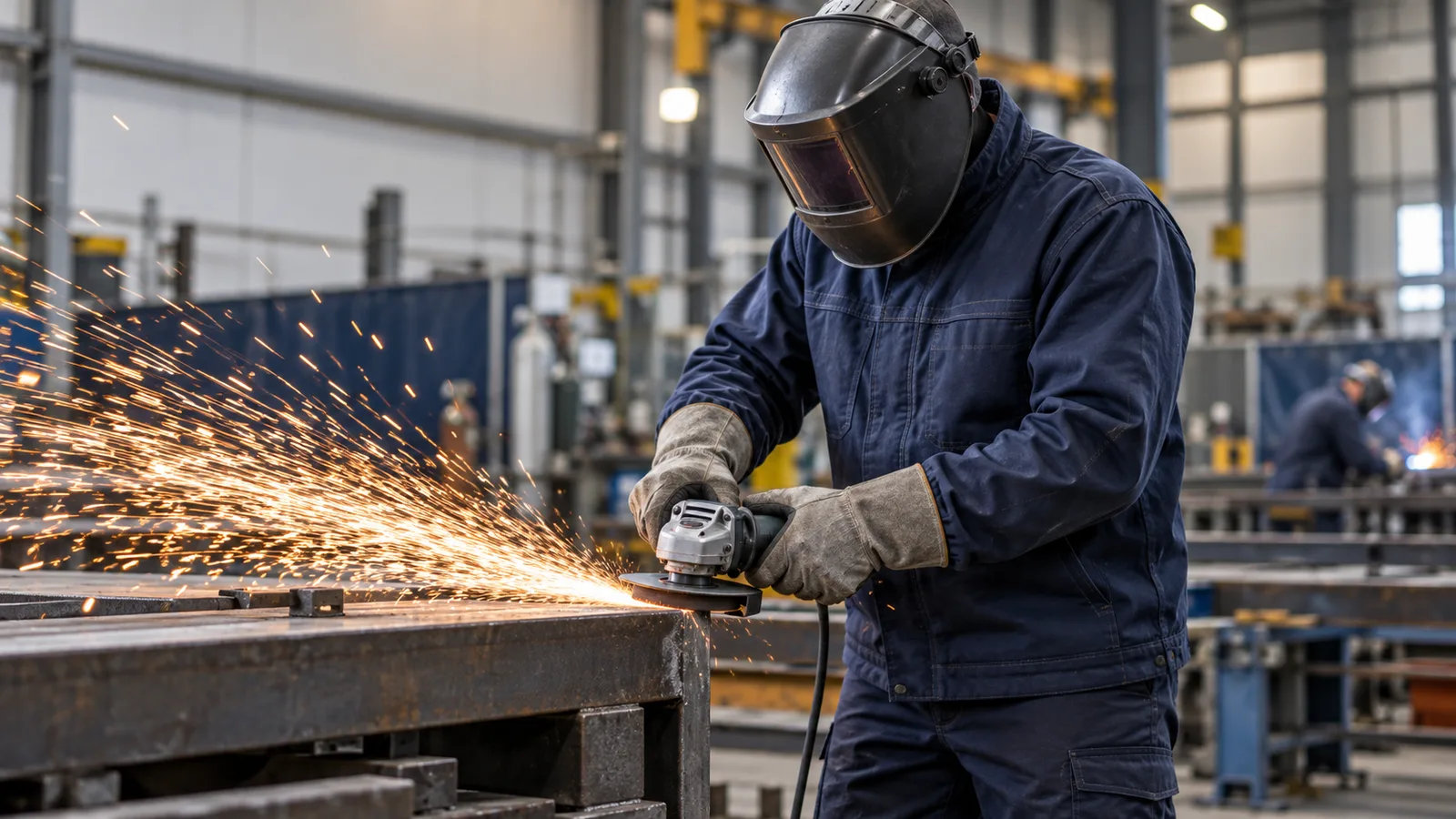
Source FR jackets, vests and coveralls for welders, electricians and utility crews. Specs, certifications and supplier checks for bulk OEM orders.
Read More: Flame Resistant Safety Jackets: Buying & Compliance Guide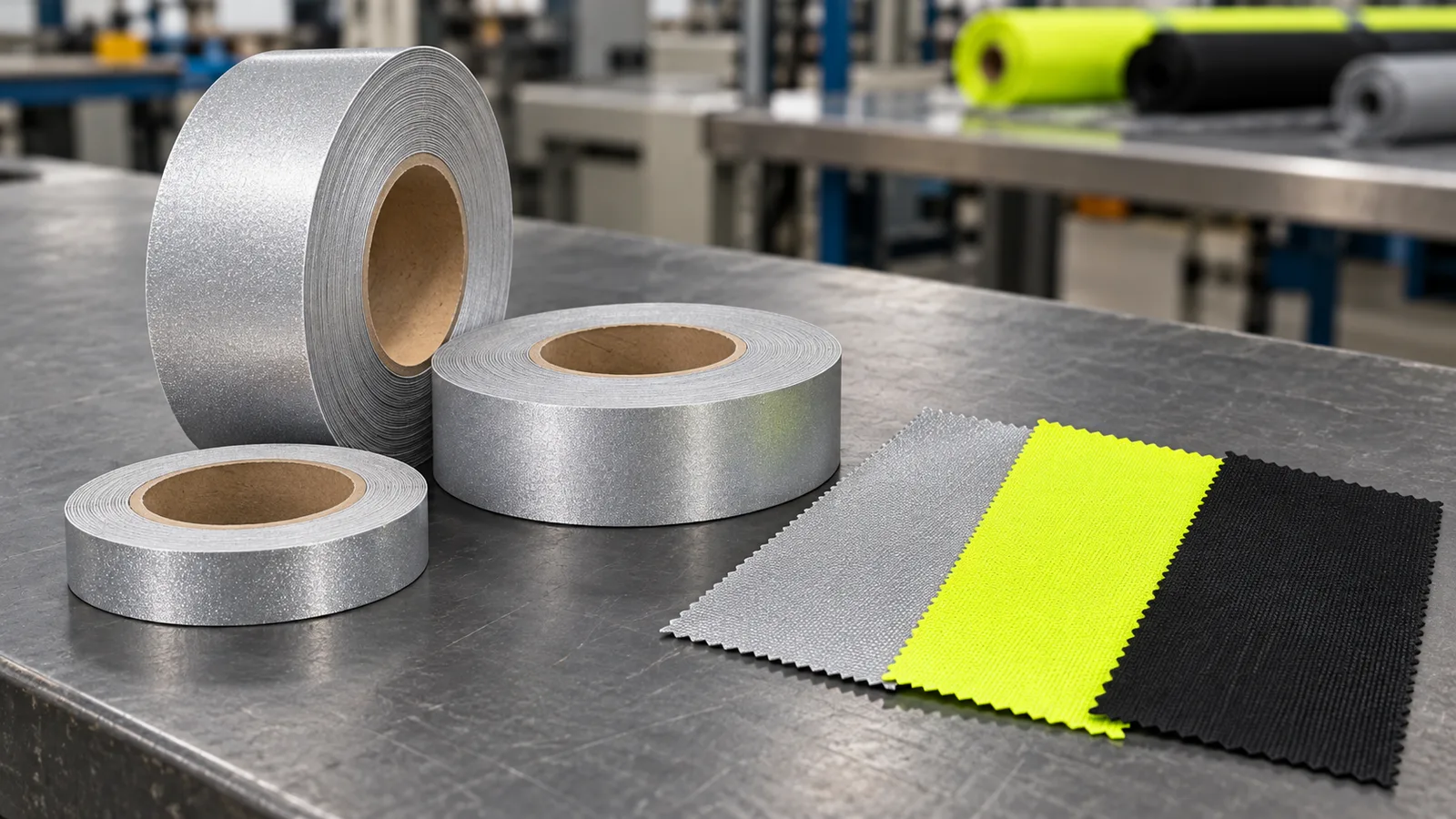
Buying reflective tape and hi vis fabric for garments or OEM production: specs, widths, durability testing and a supplier evaluation checklist.
Read More: Reflective Tape & Fabric Procurement Guide for Workwear