Confirm order quantity|Processing & Manufacturing|Confirm sample terms

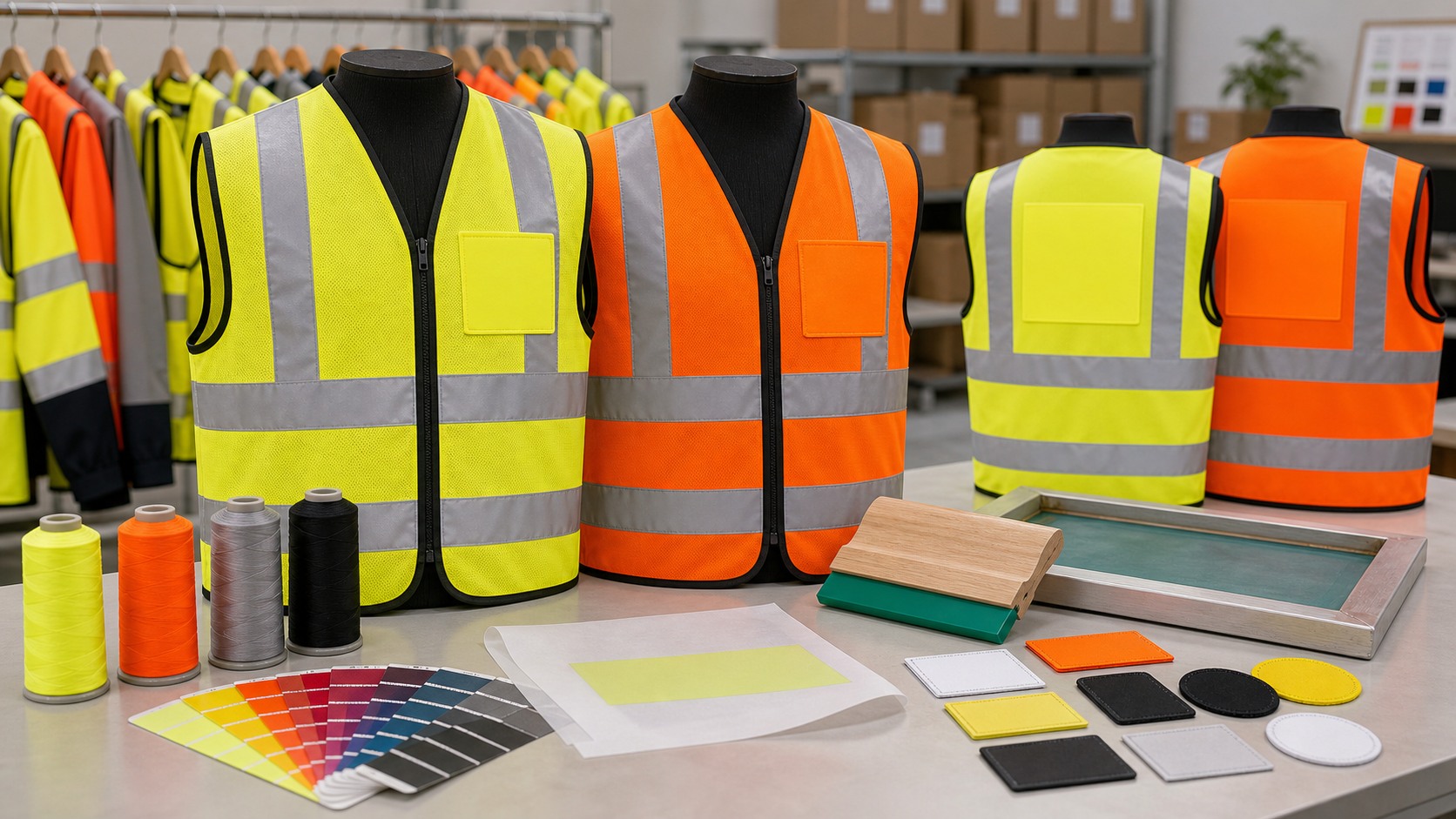
Logo printing methods for safety vests should be selected around fabric type, logo detail, order quantity, placement, durability expectations, and visibility requirements. The right method helps prevent artwork issues before samples and bulk production.
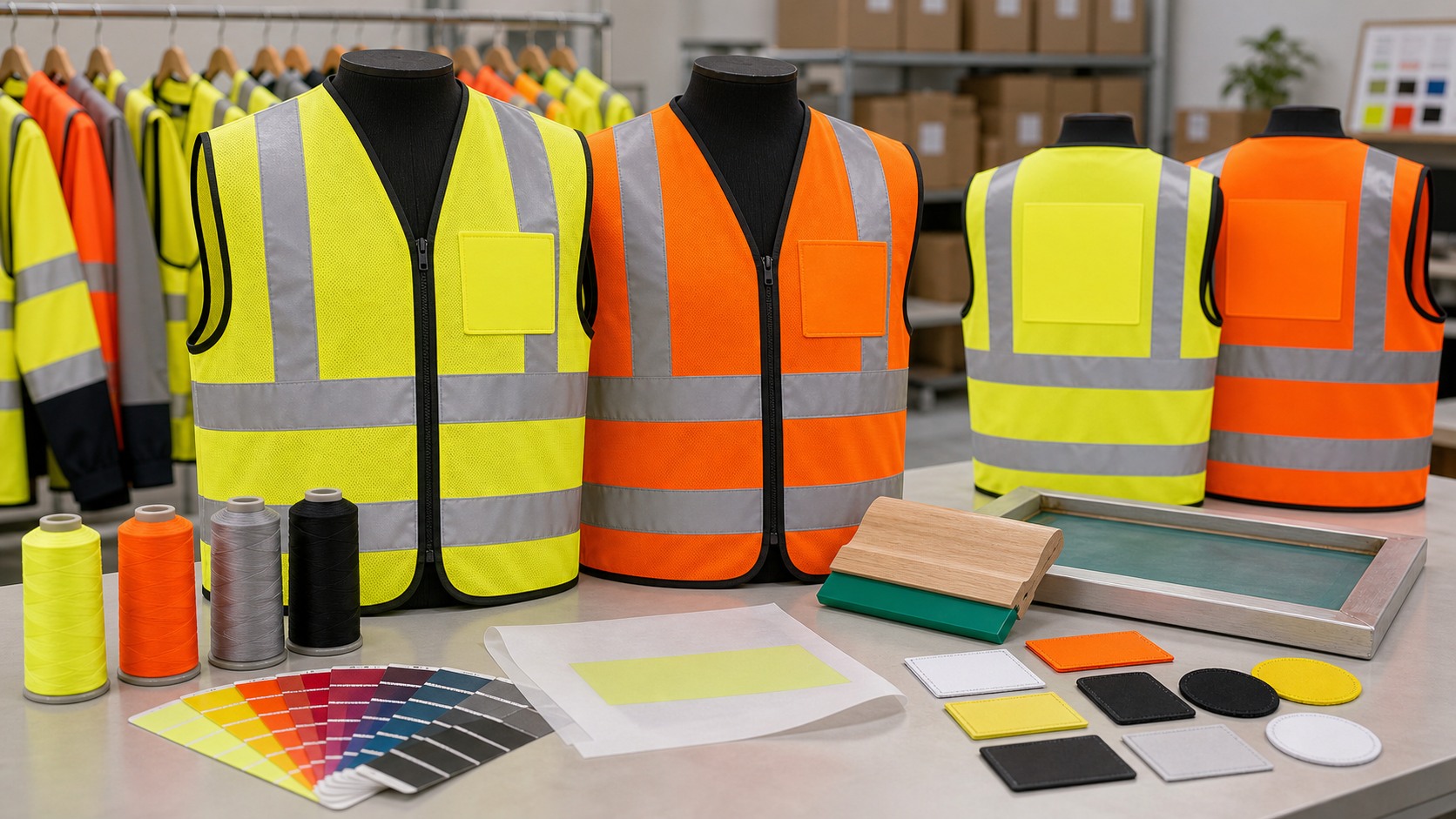
This guide focuses on method selection, artwork review, screen print vs heat transfer, patches, labels, and logo placement checks. For broader brand and compliance planning, see the custom safety vests with logo buying guide.
| Method | Best For | Order Size | Pros | Limitations |
|---|---|---|---|---|
| Screen print | Simple logos, one or two colors, repeat artwork. | Medium to large | Cost-effective and efficient for bulk orders. | Less flexible for gradients, fine detail, and frequent logo variations. |
| Heat transfer | Detailed artwork, multi-color logos, names, and numbers. | Small to large | Clean edges and flexible artwork handling. | Durability depends on transfer material, heat process, fabric, and use conditions. |
| Patch | Private label programs and repeat distributor SKUs. | Medium to large | Consistent brand element across multiple garment types. | Adds sewing or application steps and may affect comfort if placed poorly. |
| Reflective text | Role identification and low-light visibility support. | Small to large | Improves identification in some work environments. | Must be reviewed with reflective tape and target class planning. |
| Labels and hangtags | Retail, distributor, and private label packaging. | Medium to large | Supports resale presentation and warehouse handling. | Does not replace visible garment branding. |
Screen print is usually strongest for repeated simple artwork and larger quantities. It is often selected for contractor names, department text, and one-color or two-color back logos. Buyers should confirm ink color, print size, vest fabric, and whether the mesh or solid surface can hold the artwork cleanly.
Heat transfer is often better for detailed artwork, multi-color logos, names, numbers, and mixed-logo batches. It can reduce setup complexity, but it should be tested on the selected vest fabric. Review edge quality, adhesion, flexibility, and comfort after the transfer is applied.
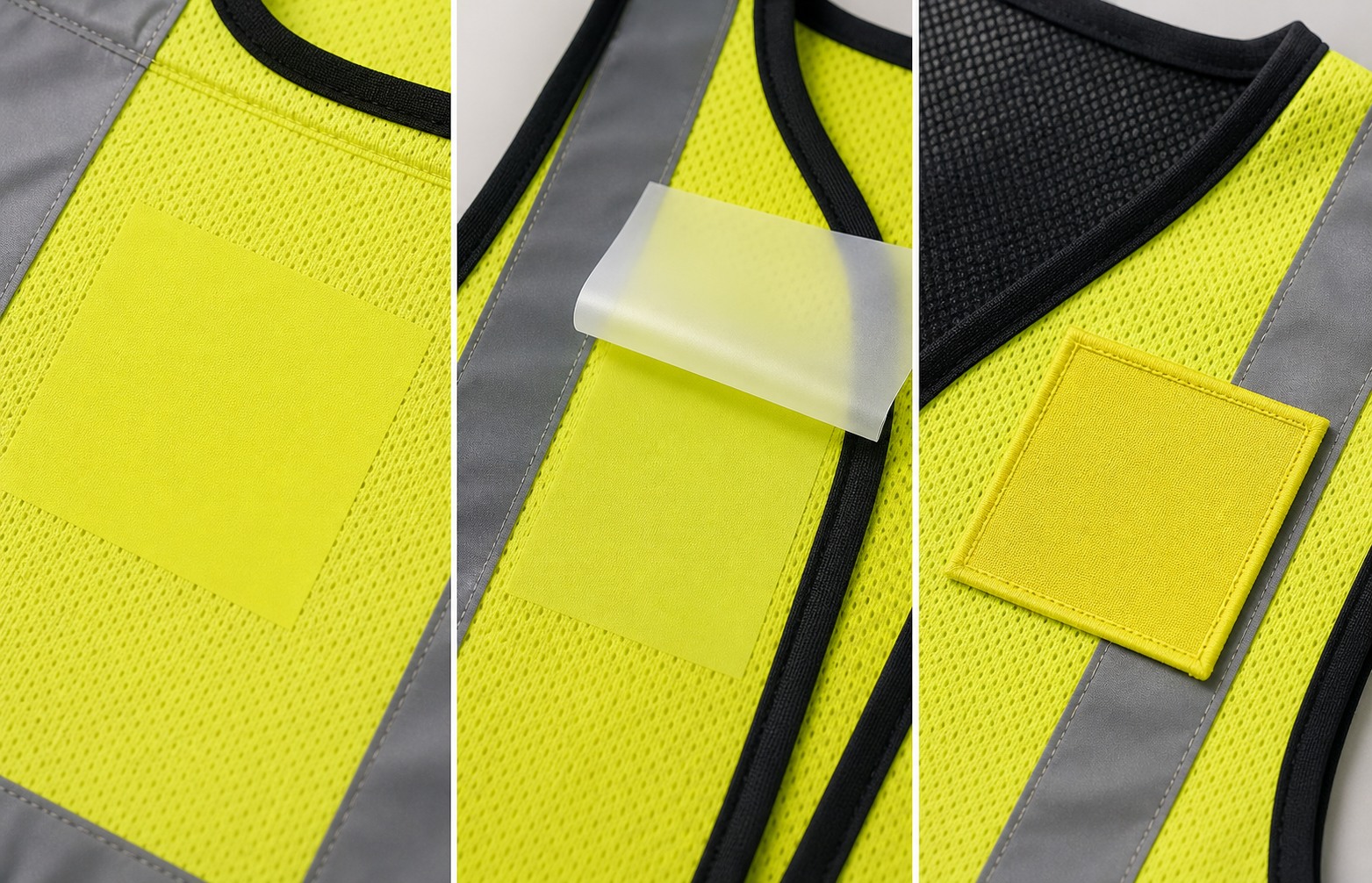
Logo placement should be checked against the safety layout before sample approval. Branding should not cover reflective tape or required visible material. Large back logos, reflective text, patches, and labels should be reviewed against the target class, project requirements, and wearer comfort.
If the order also needs a Class 2 RFQ, review our ANSI Class 2 safety vests bulk order guide. For sample confirmation, use the safety vest sample approval checklist.
For repeat branding programs, Custom OEM support can help align logo methods, label systems, packaging, and reorder specifications.
Logo printing methods for safety vests should be selected by method performance, not only appearance. Screen print, heat transfer, patches, reflective text, and labels each have a practical role. The supplier should review artwork, fabric, placement, sample quality, and target visibility requirements before bulk production.
The best method depends on fabric type, logo detail, order quantity, placement, durability expectations, and visibility requirements. Screen print is common for simple bulk logos, while heat transfer is useful for detailed or multi-color artwork.
Screen printing is often practical for simple one- or two-color logos, repeat artwork, and medium to large quantities on suitable fabric.
Heat transfer can be useful for detailed artwork, multi-color logos, names, numbers, and smaller mixed-logo batches, but it should be tested on the selected vest fabric.
No. Logo placement should be reviewed so it does not cover reflective tape or required visible material, especially when the vest must plan around a target class.
Send vector artwork when available, logo dimensions, Pantone colors, placement notes, vest style, quantity by logo version, and any packaging or label requirements.
Browse safety jackets, compare certification requirements, or send your quantity and logo requirements for a bulk quote.
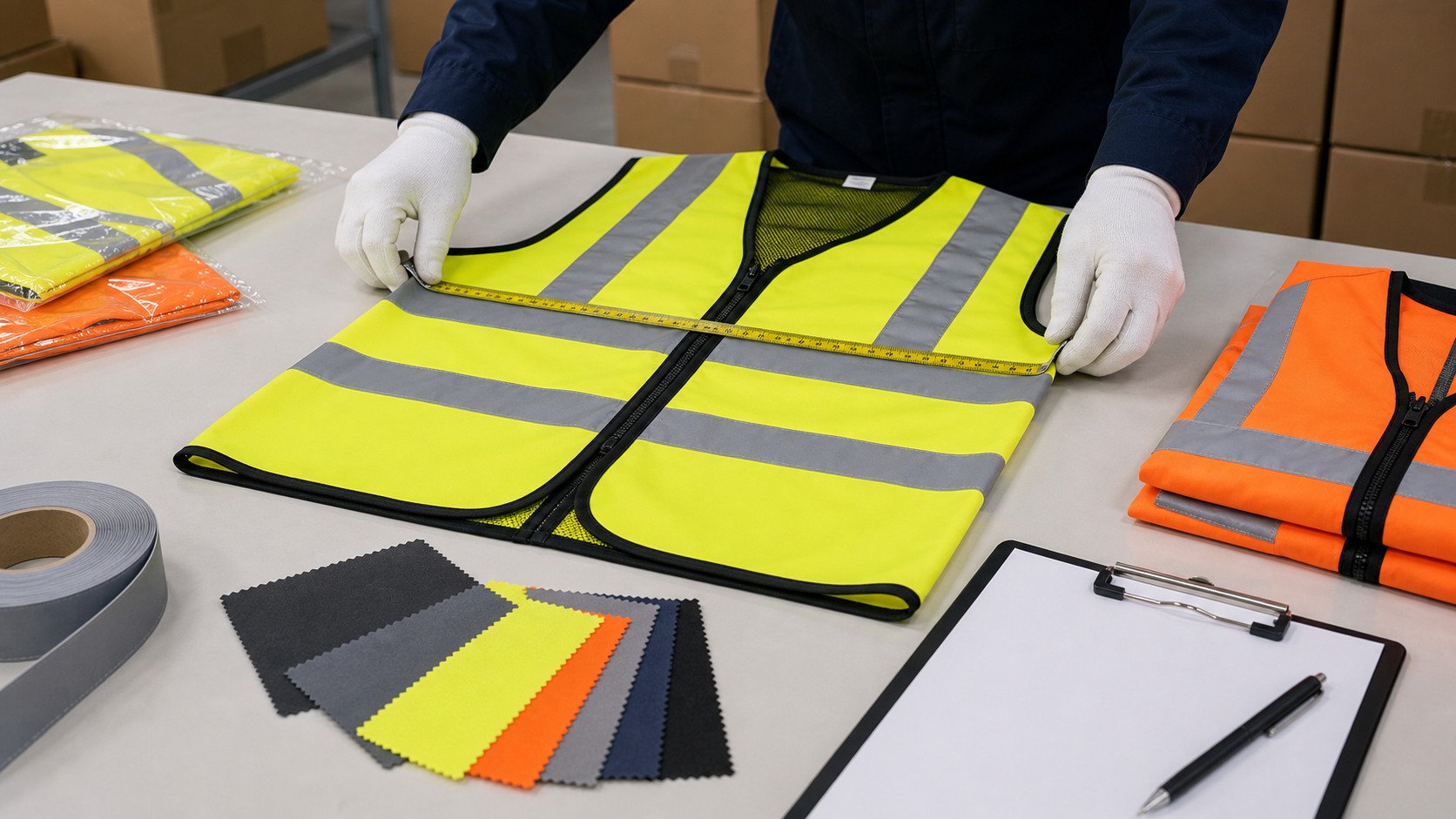
Use this safety vest sample approval checklist before bulk production to review fit, fabric, reflective tape, logo placement, labels, packaging, QC...
Read More: Safety Vest Sample Approval Checklist Before Bulk Production
Plan an ANSI Class 2 safety vests bulk order with RFQ details for specifications, logo placement, size mix, samples, documentation, and supplier...
Read More: ANSI Class 2 Safety Vests for Bulk Orders | RFQ Buyer Guide
ANSI Class 2 vs Class 3: understand visibility requirements, garment types, and compliance rules. Choose the right hi-vis safety jacket for your...
Read More: ANSI Class 2 vs Class 3 Safety Jacket: Which Hi-Vis Class Does Your Team Need?