Confirm order quantity|Processing & Manufacturing|Confirm sample terms

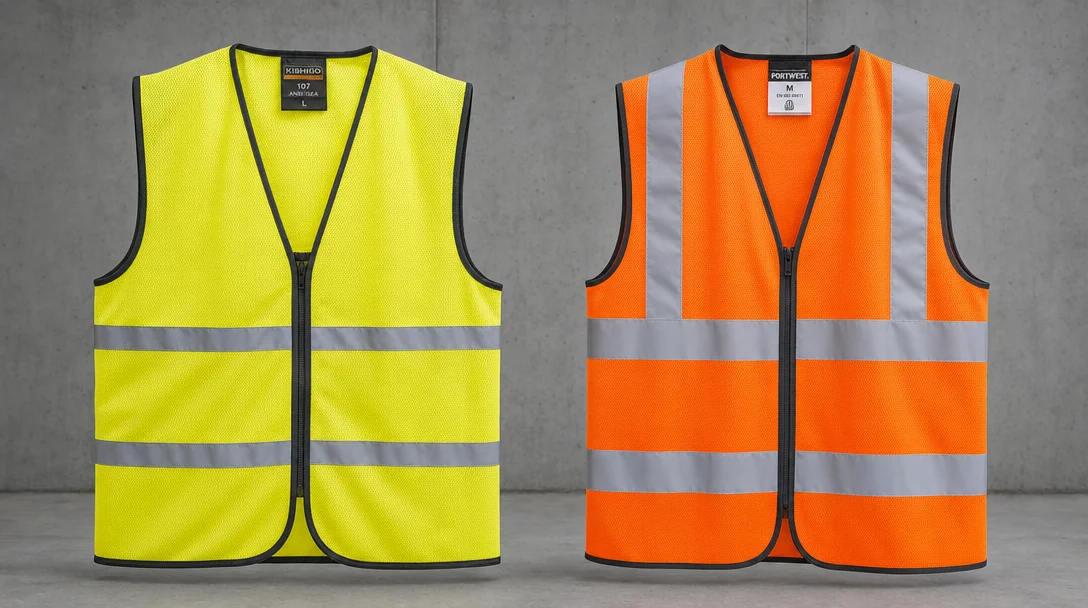
Specify where the garment will be used, the work activity, traffic exposure and the buyer’s required standard and edition. ANSI/ISEA 107 and EN ISO 20471 concern high-visibility clothing, but a shared class number does not establish equivalence. Have the responsible safety professional confirm the requirement for the actual task.
This comparison refers to ANSI/ISEA 107-2020 and ISO 20471:2013 with Amendment 1:2016. When ordering EN ISO 20471 garments, confirm the exact European adoption and amendments stated in the specification and supporting documents. Check the publisher’s current status before placing an order; a draft revision is not a published replacement.
ANSI/ISEA 107 uses garment types O, R and P for different use environments, as well as performance classes. Record both type and class on the specification. See the 3M reference to ANSI/ISEA 107-2020. EN ISO 20471 uses its own classification requirements. Do not approve a substitution merely because both labels say Class 2 or Class 3.
The previous version of this article incorrectly treated ANSI background-area values as combined background-plus-reflective totals. Keep background material, retroreflective material, permitted combined-performance material and their placement distinct when checking a design. Garment type, class, size and allowed configurations matter. Use the applicable standard and the model’s test documents, not a generic area conversion or a universal tape-width rule, to approve production.
The destination country alone does not identify every workplace requirement. Establish the applicable rules and contract specification for the activity and location. Do not assume that an ANSI reference means OSHA has approved a product, or that mentioning EN ISO 20471 proves the required market documentation is complete.
Request the model identifier, covered sizes and colours, label artwork, standard edition, type and class where applicable, test reports, care instructions and the relevant conformity documents for the destination. Match those documents to the finished garment, including decoration. A fabric report alone does not establish that every finished vest or jacket meets the required design.
If the order requires both standards, request evidence for each against the same finished configuration. Do not infer dual compliance from one certificate or claim that one system is universally stricter. Confirm whether the proposed logo, panel changes and smaller sizes remain within the assessed design before approving a sample.
Record the intended task, market, required edition and classification, model, size split, colours, decoration artwork, sample acceptance criteria and documents to accompany delivery. Browse safety vests or reflective jackets, then request model-specific information. This comparison does not certify the products in the catalogue.
Consult ISEA’s high-visibility resources, the ISO 20471 catalogue and amendment information, and the 3M reference linked above. Publisher summaries support orientation; detailed design approval requires the applicable standard and product evidence.
Browse safety jackets, compare certification requirements, or send your quantity and logo requirements for a bulk quote.
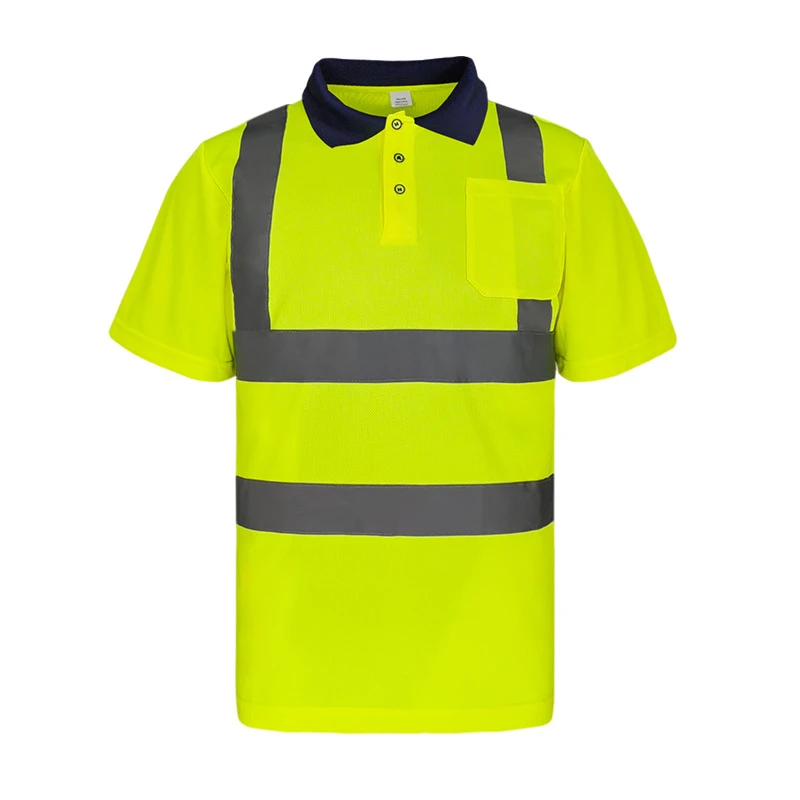
Choose a reflective polo when the team needs a shirt as part of its uniform; consider a safety vest when it needs a separate outer layer that can be...
Read More: Reflective Polo Shirts vs Safety Vests: Choosing Team Workwear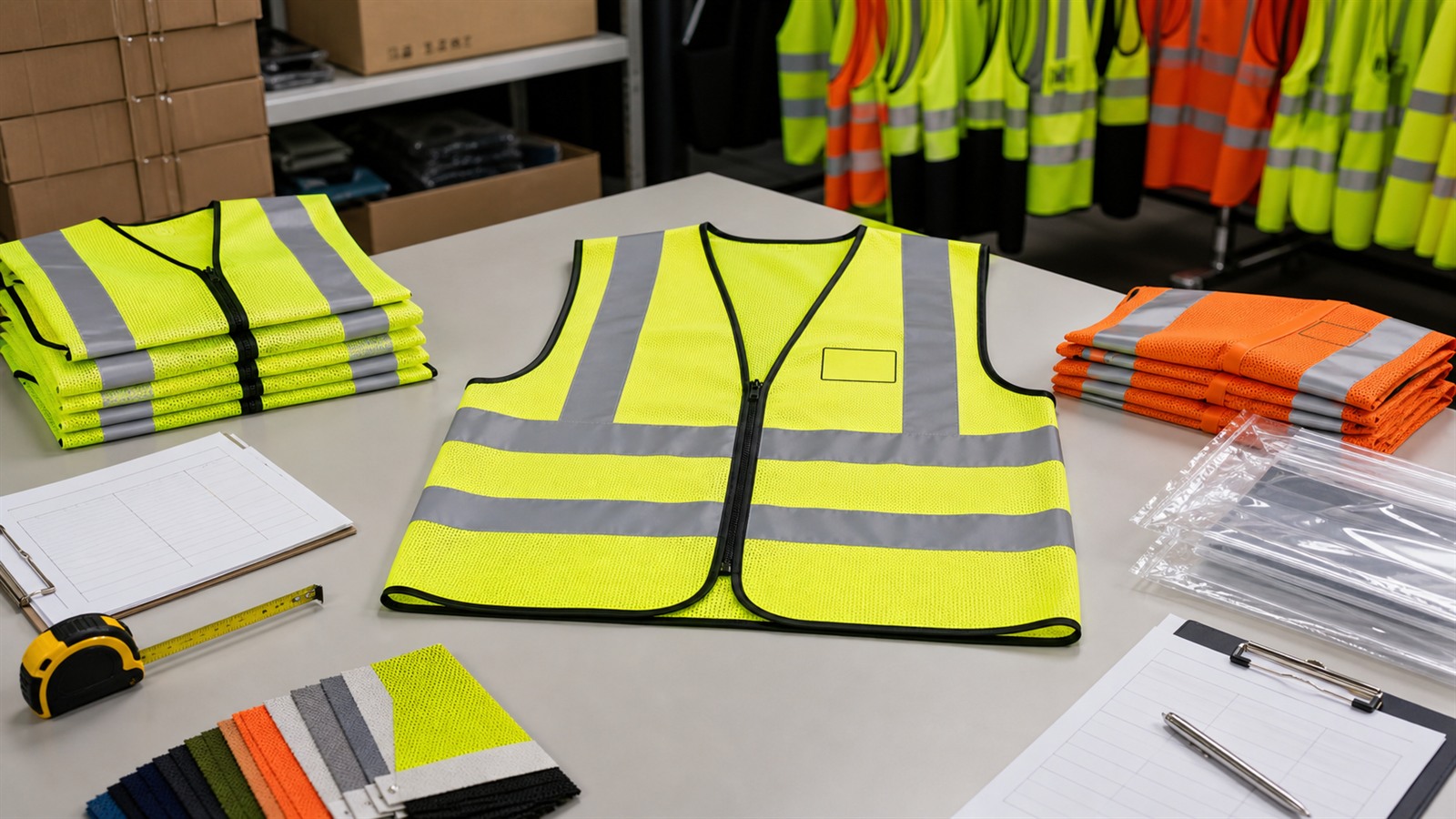
Plan an ANSI Class 2 safety vests bulk order with RFQ details for specifications, logo placement, size mix, samples, documentation, and supplier...
Read More: ANSI Class 2 Safety Vests for Bulk Orders | RFQ Buyer Guide
ANSI Class 2 vs Class 3: understand visibility requirements, garment types, and compliance rules. Choose the right hi-vis safety jacket for your...
Read More: ANSI Class 2 vs Class 3 Safety Jacket: Which Hi-Vis Class Does Your Team Need?